


Page 29 - GPD-2-2
P. 29
Gene & Protein in Disease                                         Hematoma clearance by microglia after ICH


                         A


                         B


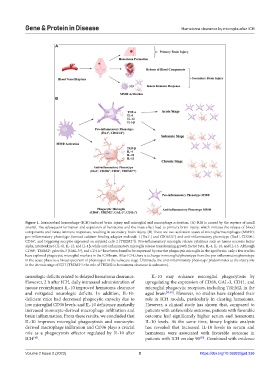
            Figure 1. Intracerebral hemorrhage (ICH)-induced brain injury and microglial and macrophage activation. (A) ICH is caused by the rupture of small
            arterial. The subsequent formation and expansion of hematoma and the mass effect lead to primary brain injury, which initiates the release of blood
            components and innate immune responses, resulting in secondary brain injury. (B) There are two activation states of microglia/macrophages (MMΦ):
                                                                                                      +
                                                                                                            +
            pro-inflammatory phenotype (ionized calcium-binding adaptor molecule 1 [Iba1 ] and CD16/32 ) and anti-inflammatory phenotype (Iba1 , CD206 ,
                                                                 +
                                                                           +
                                                         +
                +
            CD36 , and triggering receptor expressed on myeloid cells 2 [TREM2 ]). Pro-inflammatory microglia release cytokines such as tumor necrosis factor
            alpha, interleukin 6 (IL-6), IL-12, and IL-1β, while anti-inflammatory microglia release transforming growth factor beta, IL-4, IL-10, and IL-13. Although
                      +
            CD68 , TREM2 , galectin-3 [GAL-3 ], and CD11c  have been found to be expressed by reactive phagocytic microglia in the aged brain, only a few studies
                +
                                            +
                                   +
            have explored phagocytic microglial markers in the ICH brain. After ICH, there is a change in microglial phenotype from the pro-inflammatory phenotype
            in the acute phase to a broad spectrum of phenotypes in the subacute stage. Ultimately, the anti-inflammatory phenotype predominates at the injury site
                                   +
            in the chronic stage of ICH (TREM2 ?: the role of TREM2 in hematoma clearance is unknown).
            neurologic deficits related to delayed hematoma clearance.   IL-10  may  enhance  microglial  phagocytosis  by
            However, 2 h after ICH, daily intranasal administration of   upregulating the expression of CD68, GAL-3, CD11, and
            mouse recombinant IL-10 improved hematoma clearance   microglial phagocytic receptors, including TREM2, in the
            and mitigated neurologic deficits. In addition, IL-10-  aged brain [38,58] . However, no studies have explored their
            deficient mice had decreased phagocytic capacity due to   role in ICH models, particularly in clearing hematoma.
            low microglial CD36 levels, and IL-10 deficiency markedly   However,  a  clinical study  has  shown  that,  compared  to
            increased monocyte-derived macrophage infiltration and   patients with unfavorable outcome, patients with favorable
            brain inflammation. From these results, we concluded that   outcome had significantly higher serum and hematoma
            IL-10 improves microglial phagocytosis and monocyte-  IL-10  levels.  At the same time, binary  logistic  analysis
            derived macrophage infiltration and CD36 plays a crucial   has revealed that increased IL-10 levels in serum and
            role as a phagocytosis effector regulated by IL-10 after   hematoma were associated with favorable outcome in
            ICH .                                              patients with ICH on day 90 . Combined with evidence
               [45]
                                                                                      [59]
            Volume 2 Issue 2 (2023)                         5                         https://doi.org/10.36922/gpd.336

