


Page 38 - GPD-2-2
P. 38
Gene & Protein in Disease                                                  MPDZ regulates sperm motility


                         A                   B              C              D


                         E                   F              G              H


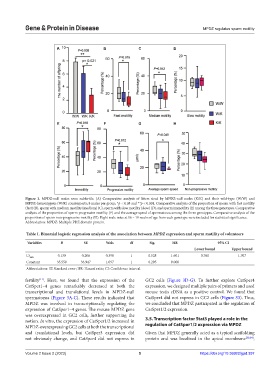
            Figure  1.  MPDZ-null males were subfertile. (A) Comparative analysis of litters sired by MPDZ-null males (K/K) and their wild-type (W/W) and
            MPDZ-heterozygous (W/K) counterparts; 8 males per group, *p < 0.05 and **p < 0.001. Comparative analysis of the proportion of sperm with fast motility
            (fast) (B), sperm with medium motility (medium) (C), sperm with slow motility (slow) (D), and sperm immotility (E) among the three genotypes. Comparative
            analysis of the proportion of sperm progressive motility (F) and the average speed of spermatozoa among the three genotypes. Comparative analysis of the
            proportion of sperm non-progressive motility (H). Eight male mice at 16 – 19 weeks of age from each genotype were included for statistical significance.
            Abbreviation: MPDZ: Multiple PDZ domain protein.

            Table 1. Binomial logistic regression analysis of the association between MPDZ expression and sperm motility of volunteers

             Variables     B         SE       Wals      df       Sig.     HR                  95% CI
                                                                                    Lower bound     Upper bound
            Ct M/G        0.130     0.206     0.398      1      0.528     1.601       0.760           1.707
            Constant     35.550    33.947     1.097      1      0.295     0.000
            Abbreviations: SE Standard error; HR: Hazard ratio; CI: Confidence interval.

            fertility . Here, we found that the expression of the   GC2  cells (Figure  3D-G). To further explore CatSper4
                  [11]
            CatSper1–4 genes remarkably decreased at both the   expression, we designed multiple pairs of primers and used
            transcriptional and translational levels in MPDZ-null   mouse testis cDNA as a positive control. We found that
            spermatozoa (Figure  3A-C). These results indicated that   CatSper4 did not express in GC2 cells (Figure S3). Thus,
            MPDZ was involved in transcriptionally regulating the   we concluded that MPDZ participated in the regulation of
            expression of CatSper1–4 genes. The mouse MPDZ gene   CatSper1/2 expression.
            was overexpressed in GC2  cells, further supporting the
            notion. In vitro, the expression of CatSper1/2 increased in   3.5. Transcription factor Stat3 played a role in the
            MPDZ-overexpressing GC2 cells at both the transcriptional   regulation of CatSper1/2 expression via MPDZ
            and translational  levels,  but CatSper3 expression  did   Given that MPDZ generally acted as a typical scaffolding
            not obviously change, and CatSper4 did not express in   protein  and was  localized  in the apical  membrane [30,34] ,


            Volume 2 Issue 2 (2023)                         5                         https://doi.org/10.36922/gpd.397

