


Page 36 - GTM-2-2
P. 36
Global Translational Medicine                                           Gut microbiota in Onco-Hematology


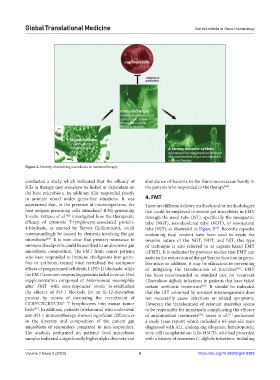
            Figure 2. Novelty of involving microbiota in immunotherapy.

            conducted a study which indicated that the efficacy of   abundance of bacteria in the Ruminococcaceae family in
            ICIs in therapy may somehow be linked or dependent on   the patients who responded to the therapy .
                                                                                                [66]
            the  host  microbiota.  In  addition  ICIs  responded  poorly
            in animals raised under germ-free situations. It was   4. FMT
            ascertained that, in the presence of microorganisms, the   There are different delivery methods and/or methodologies
            host antigen-presenting cells stimulated IFNγ-generating   that could be employed to restore gut microbiota in FMT
            T-cells. Vetizou et al.  investigated how the therapeutic   through the nasal tube (NT), specifically the nasogastric
                             [62]
            efficacy of cytotoxic T-lymphocyte-associated protein-  tube (NGT), nasoduodenal tube (NDT), or nasojejunal
            4-blockade, as exerted by Yervoy (Ipilimumab), could   tube (NJT), as illustrated in Figure 3 . Recently capsules
                                                                                            [67]
            correspondingly be caused by elements involving the gut   containing fecal content have been used to evade the
            microbiota . It is now clear that primary resistance to   invasive nature of the NGT, NDT, and NJT, this type
                     [64]
            immune checkpoints could be ascribed to an abnormal gut   of technique is also referred to as capsule-based FMT
            microbiota composition. The FMT from cancer patients   (cFMT). It is indicated by previous studies that FMT can
            who have responded to immune checkpoints into germ-  assist in the restoration of the gut barrier function in germ-
            free or antibiotic-treated mice revitalized the antitumor   free mice; in addition, it may be efficacious in preventing
            effects of programmed cell death 1 (PD-1) blockade, while   or mitigating the translocation of microbes . FMT
                                                                                                      [68]
            the FMT from non-responding patients failed to do so. Oral   has been recommended as standard care for recurrent
            supplementation composed of  Akkermansia muciniphila   Clostridium difficile infections in patients that have failed
            after  FMT  with  non-responder  stools  re-established   certain antibiotic treatments . It should be indicated
                                                                                       [69]
            the  efficacy  of  PD-1  blockade  for  an  IL-12-dependent   that the GIT colonized by resistant microorganisms does
            process by means of increasing the recruitment of   not necessarily cause infections or related symptoms.
                       +
                            +
            CCR9 CXCR3 CD4  T lymphocytes into mouse tumor     However, the translocation of resistant microbes seems
                 +
            beds . In addition, patients (melanoma) who underwent   to be responsible for immensely complicating the efficacy
               [65]
            anti-PD-1 immunotherapy showed significant differences   of antimicrobial treatments . Innes  et  al.  performed
                                                                                                  [71]
                                                                                     [70]
            in the diversity and composition of the patient gut   a study (case report) which included a 63-year-old male
            microbiota of responders compared to non-responders.   diagnosed with ALL undergoing allogeneic hematopoietic
            The analysis performed on patients’ fecal microbiota   stem cell transplantation (allo-HSCT), who had presented
            samples indicated a significantly higher alpha diversity and   with a history of recurrent C. difficile infections, including
            Volume 2 Issue 2 (2023)                         6                        https://doi.org/10.36922/gtm.0389

