


Page 121 - IMO-2-2
P. 121
Innovative Medicines & Omics                                       Vitamin D deficiency and cherry angiomas


                  A                B                           inflammatory cytokines such as interleukin-6 and tumor
                                                               necrosis factor-alpha, both of which are implicated in
                                                               vascular inflammation and remodeling.  A deficiency
                                                                                                 10
                                                               in this anti-inflammatory regulation may further
                                                               predispose dermal vasculature to aberrant growth and
                                                               lesion formation.
                                                                 The  dermal  microenvironment is  also  influenced  by
                                                               matrix  metalloproteinases (MMPs), enzymes  involved
                                                               in extracellular matrix remodeling and angiogenesis.
                                                                                                            11
                                                               Studies have shown that Vitamin D deficiency leads to an
                                                               upregulation of MMP activity, contributing to vascular
                                                               instability and hyperproliferation.  This interplay between
                                                                                          12
                                                               MMPs, VEGF, and oxidative stress, in the absence of
                                                               sufficient Vitamin D, could synergistically drive the
                                                               formation of cherry angiomas. 13
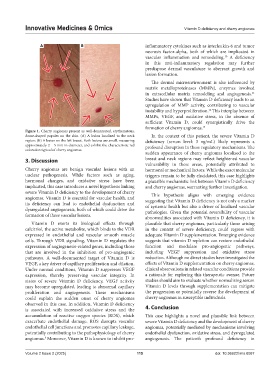
            Figure 1. Cherry angiomas present as well-demarcated, erythematous,
            dome-shaped papules on the skin. (A) A lesion localized to the neck   In the context of this patient, the severe Vitamin D
            region; (B) A lesion on the left breast. Both lesions are small, measuring   deficiency (serum level: 3  ng/mL) likely represents a
            approximately 2 – 5 mm in diameter, and exhibit the characteristic red   profound disruption in these regulatory mechanisms. The
            coloration typical of cherry angiomas.
                                                               sudden appearance of cherry angiomas localized to the
            3. Discussion                                      breast and neck regions may reflect heightened vascular
                                                               vulnerability in these areas, potentially attributed to
            Cherry  angiomas  are  benign  vascular  lesions  with  an   hormonal or mechanical factors. While the exact molecular
            unclear pathogenesis. While factors such as aging,   triggers remain to be fully elucidated, this case highlights
            hormonal changes, and oxidative stress have been   a plausible mechanistic link between Vitamin D deficiency
            implicated, this case introduces a novel hypothesis linking   and cherry angiomas, warranting further investigation.
            severe Vitamin D deficiency to the development of cherry   This hypothesis aligns with emerging evidence
            angiomas. Vitamin D is essential for vascular health, and   suggesting that Vitamin D deficiency is not only a marker
            its  deficiency  can  lead  to  endothelial  dysfunction  and   of systemic health but also a driver of localized vascular
            dysregulated angiogenesis, both of which could drive the   pathologies. Given the potential reversibility of vascular
            formation of these vascular lesions.               abnormalities associated with Vitamin D deficiency, it is
              Vitamin D exerts its biological effects through   plausible that cherry angiomas, particularly those arising
            calcitriol, the active metabolite, which binds to the VDR   in the context of severe deficiency, could regress with
            expressed in endothelial and vascular smooth muscle   adequate Vitamin D supplementation. Emerging evidence
            cells. Through VDR signaling, Vitamin D regulates the   suggests that vitamin D repletion can restore endothelial
            expression of angiogenesis-related genes, including those   function and modulate pro-angiogenic  pathways,
            that are involved in the inhibition of pro-angiogenic   including VEGF suppression and oxidative stress
            pathways. A  well-documented target of Vitamin D is   reduction. Although no direct studies have investigated the
            VEGF, a key driver of capillary proliferation and dilation.   effects of Vitamin D supplementation on cherry angiomas,
            Under normal conditions, Vitamin D suppresses VEGF   clinical observations in related vascular conditions provide
            expression, thereby preserving vascular integrity. In   a rationale for exploring this therapeutic avenue. Future
            states of severe Vitamin D deficiency, VEGF activity   studies should aim to evaluate whether normalizing serum
            may become upregulated, leading to abnormal capillary   Vitamin D levels through supplementation can mitigate
            proliferation and angiogenesis. These mechanisms   the progression or potentially reverse the development of
            could  explain  the  sudden  onset  of  cherry  angiomas   cherry angiomas in susceptible individuals.
            observed in this case. In addition, Vitamin D deficiency
            is associated with increased oxidative stress and the   4. Conclusion
            accumulation of reactive oxygen species (ROS), which   This case highlights a novel and plausible link between
            exacerbate endothelial damage. ROS disrupts vascular   severe Vitamin D deficiency and the development of cherry
            endothelial cell junctions and promotes capillary leakage,   angiomas, potentially mediated by mechanisms involving
            potentially contributing to the pathophysiology of cherry   endothelial dysfunction, oxidative stress, and dysregulated
            angiomas.  Moreover, Vitamin D is known to inhibit pro-  angiogenesis. The patient’s profound deficiency in
                    9

            Volume 2 Issue 2 (2025)                        115                               doi: 10.36922/imo.8087

