


Page 39 - IMO-2-3
P. 39
Innovative Medicines & Omics                            Tyrosine kinases: Structure, mechanism, and therapeutics


                          A                                                C


                          B
                                                                             D


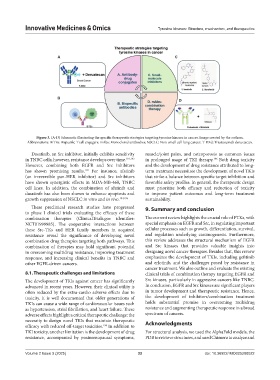
                 Figure 3. (A-D) Schematic illustrating the specific therapeutic strategies targeting tyrosine kinases in cancer. Image created by the authors.
             Abbreviations: BiTEs: Bispecific T cell engagers; mAbs: Monoclonal antibodies; NSCLC: Non-small cell lung cancer; T-DXd: Trastuzumab deruxtecan.

              Dasatinib, an Src inhibitor, initially exhibits sensitivity   muscle/joint pains, and osteoporosis as common issues
            in TNBC cells; however, resistance develops over time. 191,192    in prolonged usage of TKI therapy.  Both drug toxicity
                                                                                            196
            However, combining both EGFR and Src inhibitors    and the development of drug resistance attributed to long-
                                     193
            has shown promising results.  For instance, afatinib   term treatment necessitate the development of novel TKIs
            (an irreversible pan-HER inhibitor) and Src inhibitors   that strike a balance between specific target inhibition and
            have shown synergistic effects in MDA-MB-468, TNBC   favorable safety profiles. In general, the therapeutic design
            cell lines. In addition, the combination of afatinib and   must prioritize both efficacy and reduction of toxicity
            dasatinib has also been shown to enhance apoptosis and   to improve patient outcomes and long-term treatment
            growth suppression of NSCLC in vitro and in vivo. 194,195  sustainability.
              These preclinical research studies have progressed   9. Summary and conclusion
            to phase I clinical trials evaluating the efficacy of these
            combination therapies (ClinicalTrials.gov identifier:   The current review highlights the crucial role of PTKs, with
            NCT01999985). The cooperative interactions between   special emphasis on EGFR and Src, in regulating important
            these Src-TKs and HER family members in acquired   cellular processes such as growth, differentiation, survival,
            resistance reveal the significance of developing novel   and regulation underlying carcinogenesis. Furthermore,
            combination drug therapies targeting both pathways. This   this review addresses the structural mechanism of EGFR
            combination of therapies may hold significant potential   and Src kinases that provides valuable insights into
            in overcoming multidrug resistance, improving treatment   designing novel cancer therapies. Besides that, this review
            response, and increasing clinical benefits in TNBC and   emphasizes the development of TKIs, including gefitinib
            other EGFR-driven cancers.                         and erlotinib, and the challenges posed by resistance in
                                                               cancer treatment. We also outline and evaluate the existing
            8.1. Therapeutic challenges and limitations        clinical trials of combination therapy targeting EGFR and
            The development of TKIs against cancer has significantly   Src kinases, particularly in aggressive cancers like TNBC.
            advanced in recent years. However, their clinical utility is   In conclusion, EGFR and Src kinases are significant players
            often reduced by the extra-cardio adverse effects due to   in tumor development and therapeutic resistance. Hence,
            toxicity. It is well documented that older generations of   the development of inhibitors/combination treatment
            TKIs can cause a wide range of cardiovascular issues such   holds substantial promise in overcoming multidrug
            as hypertension, atrial fibrillation, and heart failure. These   resistance and augmenting therapeutic response in a broad
            adverse effects highlight a critical therapeutic challenge: the   spectrum of cancers.
            necessity to design novel TKIs that maintain therapeutic   Acknowledgments
                                             196
            efficacy with reduced off-target toxicities.  In addition to
            TKI toxicity, another limitation is the development of drug   For structural analysis, we used the AlphaFold models, the
            resistance,  accompanied by postmenopausal  symptoms,   PDB to retrieve structures, and used Chimera to analyze and


            Volume 2 Issue 3 (2025)                         33                          doi: 10.36922/IMO025200022

