


Page 159 - MI-2-3
P. 159
Microbes & Immunity                                                             Hyphae and healthspan


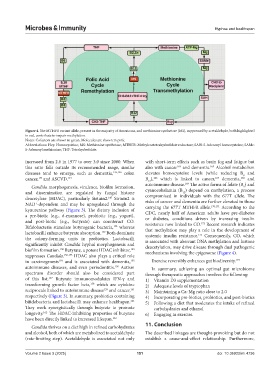
            Figure 4. The MTHFR variant allele, present in the majority of Americans, and methionine synthetase (MS), suppressed by acetaldehyde, both highlighted
            in red, contribute to impair methylation.
            Notes: Cofactors are shown in green. Molecules are shown in pink.
            Abbreviations: Hcy: Homocysteine; MS: Methionine synthetase; MTHFR: Methylenetetrahydrofolate reductase; SAH: S-Adenosyl homocysteine; SAMe:
            S-Adenosyl methionine; THF: Tetrahydrofolate.

            increased from 2.6 in 1977 to over 3.0 since 2000. When   with short-term effects such as brain fog and fatigue but
            this ratio falls outside its recommended range, similar   also with cancer  and dementia.  Alcohol metabolism
                                                                            164
                                                                                          165
            diseases tend to emerge, such as dementia, 145,146  colon   elevates homocysteine levels (while reducing B  and
                                                                                                        9
                                                                                             167
                                                                                                       168
                                                                  166
                 144
            cancer,  and ASCVD. 144                            B ),  which is linked to  cancer,  dementia,  and
                                                                12
                                                               autoimmune disease.  The active forms of folate (B ) and
                                                                                169
              Candida morphogenesis, virulence, biofilm formation,                                       9
            and dissemination  are regulated  by fungal  histone   cyanocobalamin (B ) depend on methylation, a process
                                                                               12
                                                               compromised in individuals with the 677T allele. The
            deacetylase (HDAC), particularly Sirtuin2.  Sirtuin2  is
                                               147
            NAD -dependent  and  may  be  upregulated  through  the   risks of cancer and dementia are further elevated in those
                +
                                                                                           170,171
            kynurenine pathway (Figure 3). The dietary inclusion of   carrying the 677T MTHFR allele.   According to the
            a pre-biotic (e.g.,  d-mannose), probiotic (e.g., yogurt),   CDC, nearly half of American adults have pre-diabetes
                                                               or diabetes, conditions driven by increasing insulin
            and post-biotic (e.g., butyrate) can counteract CO.   resistance now linked to CO.  Recent research indicates
                                                                                       172
            Bifidobacteria stimulate butyrogenic bacteria,  whereas   that methylation may play a role in the development of
                                                 148
            lactobacilli enhance butyrate absorption.  Both dominate   systemic insulin resistance.  Consequently, CO, which
                                            149
                                                                                     173
            the colony-forming units in probiotics. Lactobacilli   is associated with aberrant DNA methylation and histone
            significantly inhibit  Candida hyphal morphogenesis and   deacetylation, may drive disease through dual pathogenic
            biofilm formation.  Butyrate, a potent HDAC inhibitor,    mechanisms involving the epigenome (Figure 4).
                          150
                                                         153
            suppresses Candida. 152,153  HDAC also plays a critical role
            in carcinogenesis  and is associated with dementia,    Exercise reversibly enhances gut biodiversity. 174
                                                         155
                          154
                                                  156
            autoimmune diseases, and even periodontitis.  Autism   In  summary,  achieving  an optimal gut  microbiome
            spectrum disorder should also be considered part   through therapeutic approaches involves the following:
            of this list.  Butyrate immunomodulates IFN-γ and   1)  Vitamin D3 supplementation
                      157
            transforming growth factor beta,  which are cytokine   2)  Adequate levels of tryptophan
                                       158
            reciprocals linked to autoimmune disease  and cancer,    3)  Maintaining a Ca: Mg ratio close to 2.0
                                                         161
                                             159
            respectively (Figure 3). In summary, probiotics containing   4)  Incorporating pre-biotics, probiotics, and post-biotics
            bifidobacteria and lactobacilli may enhance healthspan.    5)  Following a diet that moderates the intake of refined
                                                         161
            They work synergistically through butyrate to promote   carbohydrates and ethanol
            longevity.  The HDAC-inhibiting properties of butyrate   6)  Engaging in exercise.
                   162
            have been directly linked to increased lifespan. 163
                                                               11. Conclusion
              Candida thrives on a diet high in refined carbohydrates
            and alcohol, both of which are metabolized to acetaldehyde   The described linkages are thought-provoking but do not
            (rate-limiting step). Acetaldehyde is associated not only   establish a cause-and-effect relationship. Furthermore,
            Volume 2 Issue 3 (2025)                        151                               doi: 10.36922/mi.4736

