


Page 57 - MI-2-4
P. 57
Microbes & Immunity                                                              Management of obesity


                           Microaerophillic                                         Functions
                                                               Stomach
                                                                pH 1–2
                                                              <10  CFU/mL
                                                                2
                                                                                  Digestion and acid
                                                                                    secretion

                                                              Small Intestine   Digestion and absorption
                                                                pH 6–7            of carbohydrates,
                                                               10 1–9  CFU/mL     proteins, and fats
                                                                                Absorption of vitamin B12
                                                                                  and bile acid salts

                                                              Large Intestine
                                                                pH 5–7
                                                              10 10–12  CFU/mL    Absorption of water,
                              Anaerobes                                           electrolytes,and short
                                                                                   chain fatty acids

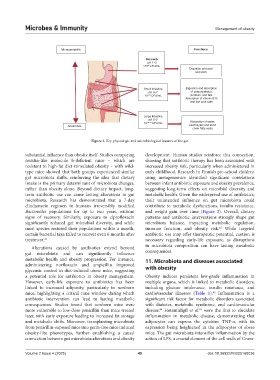
                                        Figure 2. Key physiologic and microbiological features of the gut

            substantial influence than obesity itself. Studies comparing   development. Human studies reinforce this connection,
            resistin-like molecule b-deficient mice – which are   showing that antibiotic therapy has been associated with
            resistant to high-fat diet-stimulated obesity – with wild-  increased obesity risk, particularly when administered in
            type mice showed that both groups experienced similar   early childhood. Research in Finnish pre-school children
            gut microbiota shifts, reinforcing the idea that dietary   using metagenomics identified significant correlations
            intake is the primary determinant of microbiota changes,   between infant antibiotic exposure and obesity prevalence,
            rather than obesity alone. Beyond dietary impact, long-  suggesting long-term effects on microbial diversity and
            term antibiotic use can cause lasting alterations in gut   metabolic health. Given the widespread use of antibiotics,
            microbiota. Research has demonstrated that a 7-day   their unintended influence on gut microbiota could
            clindamycin regimen in humans irreversibly modified   contribute to metabolic dysfunctions, insulin resistance,
            Bacteroides populations for up to two years,  without   and weight gain over time (Figure  3). Overall, dietary
            signs of recovery. Similarly, exposure to ciprofloxacin   patterns and antibiotic interventions strongly shape gut
            significantly reduced gut microbial diversity, and while   microbiota balance, impacting metabolic regulation,
            most species restored their populations within a month,   immune  function,  and  obesity  risk.   While  targeted
                                                                                              62
            certain bacterial taxa failed to recover even 6 months after   antibiotic use may offer therapeutic potential, caution is
            treatment. 61                                      necessary regarding early-life exposure, as disruptions
              Alterations caused by antibiotics extend beyond   in microbiota  composition  can have  lasting  metabolic
            gut  microbiota  and  can  significantly  influence   consequences.
            metabolic health and  obesity  progression.  For instance,   11. Microbiota and diseases associated
            administering norfloxacin and ampicillin improved   with obesity
            glycemic control in diet-induced obese mice, suggesting
            a potential role for antibiotics in obesity management.   Obesity induces persistent low-grade inflammation in
            However, early-life exposure to antibiotics has been   multiple organs, which is linked to metabolic disorders,
            linked to increased adiposity, particularly in newborn   including  glucose  intolerance,  insulin  resistance,  and
            mice, highlighting a critical time window during which   cardiovascular illnesses (Table  1).  Inflammation is a
                                                                                            63
            antibiotic intervention can lead to lasting metabolic   significant risk factor for metabolic disorders associated
            consequences. Studies found that newborn mice were   with diabetes, metabolic syndrome, and cardiovascular
                                                                     64
                                                                                      65
            more vulnerable to low-dose penicillin than mice treated   disease.  Hotamisligil  et al.  were the first to elucidate
            later, with early exposure leading to increased fat storage   inflammation in metabolic disease, demonstrating that
            and metabolic shifts. Moreover, transplanting microbiota   adipocytes can express the cytokine TNF-α, with its
            from penicillin-exposed mice into germ-free mice induced   expression being heightened in the adipocytes of obese
            obesity-like phenotypes, further establishing a causal   mice. The gut microbiota intensifies inflammation by the
            connection between gut microbiota alterations and obesity   action of LPS, a crucial element of the cell walls of Gram-


            Volume 2 Issue 4 (2025)                         49                           doi: 10.36922/MI025160036

