


Page 58 - MI-2-4
P. 58
Microbes & Immunity                                                              Management of obesity


                                                              Changes in  gut microbiome
                               Factor affecting gut microbiota


                            Chronic stress                             Modulates the
                                                         SCFA production  hormones liptin,
                                                                        peptide YY,
                                                                        and GLP-1
                             Poor diet

                             Antibiotics                                Alter FXR &
                                                           Bile acids                        Adiposity;
                                                                       TGR5 activation
                                                                                             dyslipidemia
                            Sleep disorder
                             Poor diet
                                                ↓Microbial diversity
                                                & richness  Metabolic   Elevated  serum
                                                ↓Microbial gene count  endotoximia  levels of LPS
                             Genetics           ↓Oscillospira,
                                                Rikenellaceae
                                                ↓ Bifidobacterium,
                            Early stages
                                                Akkermasia
                                                ↑Rosebiria
                                                ↑Prevotellaceae,
                                                Alcaligenaceae,
                                                Erysipelotrichaceae
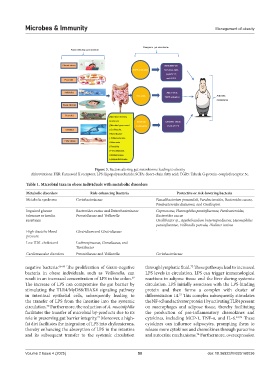
                                         Figure 3. Factors altering gut microbiome leading to obesity
              Abbreviations: FXR: Farnesoid X receptors; LPS: Lipopolysaccharide; SCFA: Short-chain fatty acid; TGR5: Takeda G-protein-coupled receptor 5c.
            Table 1. Microbial taxa in obese individuals with metabolic disorders

            Metabolic disorders        Risk‑enhancing Bacteria              Protective or risk‑lowering bacteria
            Metabolic syndrome   Coriobacteriaceae                 Faecalibacterium prausnitzii, Parabacteroides, Bacteroides caccae,
                                                                   Parabacteroides distasonis, and Oscillospira
            Impaired glucose     Bacteroides ovatus and Enterobacteriaceae  Coprococcus, Haemophilus parainfluenzae, Parabacteroides,
            tolerance or insulin   Prevotellaceae and Veillonella  Bacteroides caccae
            resistance                                             Oscillibacter sp., Agathobaculum butyriciproducens, Haemophilus
                                                                   parainfluenzae, Veillonella parvula, Dialister invisus
            High diastolic blood   Clostridium and Clostridiaceae  -
            pressure
            Low HDL cholesterol  Lachnospiraceae, Gemellaceae, and   -
                                 Turicibacter
            Cardiovascular disorders  Prevotellaceae and Veillonella  Coriobacteriaceae

            negative bacteria. 66-68  The proliferation of Gram-negative   through lymphatic fluid.  These pathways lead to increased
                                                                                  72
            bacteria in obese individuals, such as  Veillonella, can   LPS levels in circulation. LPS can trigger immunological
            result in an increased concentration of LPS in the colon.    reactions in adipose tissue and the liver during systemic
                                                         69
            The increase of LPS can compromise the gut barrier by   circulation. LPS initially associates with the LPS-binding
            stimulating the TLR4/MyD88/IRAK4 signaling pathway   protein and then forms a complex with cluster of
            in  intestinal  epithelial  cells,  subsequently leading to   differentiation 14.  This complex subsequently stimulates
                                                                             73
            the transfer of LPS from the intestine into the systemic   the NF-κB and activator protein 1 by activating TLR4 present
            circulation.  Furthermore, the reduction of A. muciniphila   on macrophages and adipose tissue, thereby facilitating
                     70
            facilitates the transfer of microbial by-products due to its   the production of pro-inflammatory chemokines and
            role in preserving gut barrier integrity.  Moreover, a high-  cytokines, including MCP-1, TNF-α, and IL-6. 43,73  These
                                          71
            fat diet facilitates the integration of LPS into chylomicrons,   cytokines  can  influence  adipocytes, prompting them  to
            thereby enhancing the absorption of LPS in the intestine   release more cytokines and chemokines through paracrine
            and its subsequent transfer to the systemic circulation   and autocrine mechanisms.  Furthermore, overexpression
                                                                                     74


            Volume 2 Issue 4 (2025)                         50                           doi: 10.36922/MI025160036

