


Page 73 - OR-1-1
P. 73
A                                    C


                         B


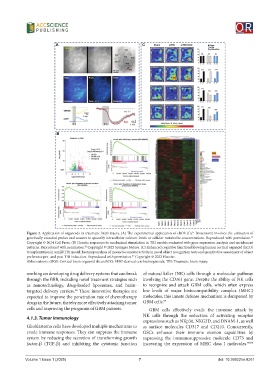
            Figure 2. Application of organoids in traumatic brain injury. (A) The experimental application of cBOS (Ca  Biosensors) involves the utilization of
                                                                                   2+
            genetically encoded probes and sensors to quantify intracellular calcium levels or cellular metabolite concentrations. Reproduced with permission. 74
            Copyright © 2024 Cell Press. (B) Genetic responses to mechanical stimulation in TBI models evaluated with gene expression analysis and enrichment
            patterns. Reproduced with permission.  Copyright © 2023 Springer Nature. (C) Enhanced cognitive function following human cortical organoid (hCO)
                                     83
            transplantation in a mild TBI model: heatmap analysis of mouse locomotor activity in novel object recognition tests and quantitative assessment of object
            preference pre- and post-TBI induction. Reproduced with permission.  Copyright © 2022 Elsevier.
                                                         87
            Abbreviations: cBOS: Cortical brain organoid slices; hCO: hESC-derived cerebral organoids; TBI: Traumatic brain injury.
            working on developing drug delivery systems that can break   of natural killer (NK) cells through a molecular pathway
            through the BBB, including novel treatment strategies such   involving the CD161 gene. Despite the ability of NK cells
            as  nanotechnology,  drug-loaded  liposomes,  and  brain-  to recognize and attack GBM cells, which often express
            targeted delivery carriers.  These innovative therapies are   low levels of major histocompatibility complex (MHC)
                                 96
            expected to improve the penetration rate of chemotherapy   molecules, this innate defense mechanism is dampened by
            drugs in the future, thereby more effectively attacking tumor   GBM cells. 97
            cells and improving the prognosis of GBM patients.  GBM  cells  effectively  evade  the  immune  attack  by

            4.1.3. Tumor immunology                           NK cells through the reduction of activating receptor
                                                              expressions such as NKp30, NKG2D, and DNAM-1, as well
            Glioblastoma cells have developed multiple mechanisms to   as surface molecules CD317 and CD210. Concurrently,
            evade immune responses. They can suppress the immune   GSCs enhance their immune evasion capabilities by
            system by reducing the secretion of transforming growth   expressing the immunosuppressive molecule CD73 and
            factor-β (TGF-β) and inhibiting the cytotoxic function   increasing the expression of MHC class  I molecules. 98,99


            Volume 1 Issue 1 (2025)                         7                                 doi: 10.36922/or.8261

