


Page 40 - OR-1-2
P. 40
A                                               C


                                                              D
             B


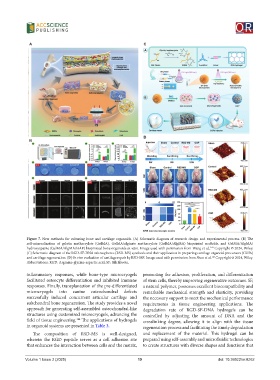
            Figure 7. New methods for culturing bone and cartilage organoids. (A) Schematic diagram of research design and experimental process. (B) The
            self-mineralization of gelatin methacrylate (GelMA), GelMA/alginate methacrylate (GelMA/AlgMA) bioprinted scaffolds, and GelMA/AlgMA/
            hydroxyapatite (GelMA/AlgMA/HAP) bioprinted bone organoids in vitro. Image used with permission from Wang et al.,  Copyright © 2024, Wiley.
                                                                                          142
            (C) Schematic diagram of the RGD-SF-DNA microspheres (RSD-MS) synthesis and their application in preparing cartilage organoid precursors (COPs)
            and cartilage regeneration. (D) In vivo evaluation of cartilage repair by RSD-MS. Image used with permission from Shen et al.  Copyright © 2024, Wiley.
                                                                                           143
            Abbreviations: RGD: Arginine-glycine-aspartic acid; SF: Silk fibroin.
            inflammatory responses, while bone-type microcryogels   promoting the adhesion, proliferation, and differentiation
            facilitated osteocyte differentiation and inhibited immune   of stem cells, thereby improving regenerative outcomes. SF,
            responses. Finally, transplantation of the pre-differentiated   a natural polymer, possesses excellent biocompatibility and
            microcryogels  into  canine  osteochondral  defects  remarkable mechanical strength and elasticity, providing
            successfully induced concurrent articular cartilage and   the necessary support to meet the mechanical performance
            subchondral bone regeneration. The study provides a novel   requirements  in  tissue  engineering  applications.  The
            approach for generating self-assembled osteochondral-like   degradation rate of RGD-SF-DNA hydrogels can be
            structures using customized microcryogels, advancing the   controlled by adjusting the amount of DNA and the
                                  144
            field of tissue engineering.  The applications of hydrogels   crosslinking degree,  allowing  it to  align with  the tissue
            in organoid systems are presented in Table 3.     regeneration process and facilitating the timely degradation
               The composition of RSD-MS is well-designed,    and replacement of the material. This hydrogel can be
            wherein the RGD peptide serves as a cell  adhesion site   prepared using self-assembly and microfluidic technologies
            that enhances the interaction between cells and the matrix,   to create structures with diverse shapes and functions that


            Volume 1 Issue 2 (2025)                         19                                doi: 10.36922/or.8262

