


Page 101 - TD-3-4
P. 101
Tumor Discovery                                                   Bioinformatics insights into CCL2 mutations


            I-TASSER server was used to generate a structural   approximately −6.3 kcal/mol for the interaction between
            model incorporating the specified missense mutation   BA and human CCL2, indicates the formation of a favorable
            in  CCL2.  The model underwent molecular dynamics   and stable ligand–receptor complex.  Understanding these
                                                                                            3
                   29
            (MD) simulations and three-dimensional (3D) modeling   molecular interactions through docking studies provides
            through WebGro to evaluate how the mutation affected the   valuable insights into drug design. By targeting the CCL2–
            stability and functionality of the CCL2 protein.  WebGro   CCR2  interaction,  researchers  can  develop  antagonists
                                                  30
            software was then used to perform MD simulations on   that disrupt this pathway. These antagonists hold promise
            the mutant CCL2 model, enabling the assessment of its   as therapeutic agents for the treatment of inflammatory
            stability and potential functional consequences compared   and autoimmune diseases as well as certain cancers where
            to the native protein. A thorough analysis of the impact   CCL2/CCR2 signaling plays an important role.
            of the missense mutation on the protein structure and   CCL2 mutations can substantially alter the protein’s
            function was facilitated by this integrated computational
            approach that combines structure prediction with MD    structure and function and potentially affect its
                                                         31
            (Figure 1).                                        binding affinity to the CCR2 receptor. This may impact
                                                               the recruitment and activation of tumor-associated
              Molecular docking studies offer valuable insights into   macrophages, thereby influencing angiogenesis and
            the binding dynamics and interactions between CCL2   tumor progression. This mutation could also modulate
            and CCR2, highlighting the potential for therapeutic   the immune response to CCL2, potentially influencing
            interventions in diseases mediated by this signaling   antitumor immunity and macrophage tumoricidal activity.
            pathway. Molecular docking analyses have identified the   Overall, CCL2 mutations could have profound implications
            critical residues in CCL2, such as T16, N17, and R18, which   for the tumorigenic potential of this chemokine in cancer
            are essential for forming stable complexes with CCR2.   development. However, further research is  required to
            These interactions involve both hydrophobic interactions   elucidate the specific genetic and epigenetic factors that
            and hydrogen bonds, which collectively contribute to the   influence the expression and activity of CCL2 mutations.
            binding affinity of CCL2 (ligand) with CCR2 (receptor).
                                                          3
            For instance, the binding of the compound baicalin (BA) to   2. Material and methods
            CCL2 is facilitated by substantial hydrophobic interactions
            with residues such as I20 and V51 and hydrogen bonds   2.1. Collection of datasets
            with  residues  such  as  T16  and  S17.  The  binding  energy   In this study, we collected data on CCL2 missense mutations
            calculated  for  CCL2  interactions  with  CCR2,  that  is,   from the Ensembl database (release 109) (https://www.


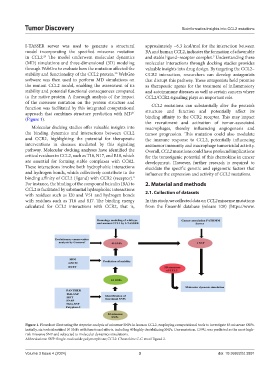
            Figure 1. Flowchart illustrating the stepwise analysis of missense SNPs in human CCL2, employing computational tools to investigate 83 missense SNPs.
            Initially, six tools identified 10 SNPs with functional effects, including 40 highly destabilizing SNPs. One mutation, C59G, was predicted as the most high-
            risk missense SNP and subjected to molecular dynamics simulations.
            Abbreviations: SNP: Single-nucleotide polymorphism; CCL2: Chemokine C-C motif ligand 2.


            Volume 3 Issue 4 (2024)                         3                                 doi: 10.36922/td.3891

