


Page 146 - TD-3-4
P. 146
Tumor Discovery                                                     Primarily enucleated RB patient’s analysis


            •   Group  E:  Massive  tumor  causing  anatomical  or   sclera, extraocular structures, and retrolaminar optic
               functional eye destruction, with neovascular    nerve (including the cut end). 11,12  Tumor differentiation
               glaucoma, intraocular tumor (Figure 1), aseptic orbital   was classified according to rosette formation into well-
               cellulitis, tumor touching the lens, tumor anterior to   differentiated (presence of Homer–Wright, Flexner–
               the anterior vitreous face, diffuse infiltrating tumor,   Wintersteiner, and/or fleurettes), moderately differentiated
               and phthisis or pre-phthisis.                   (presence of Homer–Wright and/or Flexner–Wintersteiner
              The IRSS categorizes patients with RB into five   rosettes), poorly differentiated (presence of only Homer–
            stages (Stages 0 – IV). Stage 0 includes patients treated   Wright rosettes), and undifferentiated (absence of rosettes/
                                                                       13
            conservatively, whereas Stage I includes cases with   fleurettes).
            enucleated eyes  in which resection  is  histologically   This  retrospective  study  posed  no  risk  to  individual
            complete. Stage II indicates a microscopic residual tumor   patient identification; therefore, institutional review board
            in an enucleated eye. Stage III includes regional extension,   (IRB) approval was obtained. The study  was approved
            subdivided into overt orbital disease and pre-auricular   by  the  local  IRB  and  conducted  in  accordance  with  the
            or  cervical  lymph  node  involvement.  Stage  IV  involves   principles of the 2013 Declaration of Helsinki.
            distant metastatic disease and is further divided into two
            subgroups: (a) Hematogenous metastasis, with a single   2.3. Statistical analysis
            lesion or multiple lesions, and (b) central nervous system   Statistical analyses were conducted using SPSS 16, with
            (CNS) extension, with pre-chiasmatic lesions, CNS mass,   a P < 0.05 considered statistically significant. Differences
            or leptomeningeal disease.                         between the male and female symptom duration were
              Data were collected about age, sex, laterality   analyzed using an independent t-test. Survival rates were
            of the tumor, presenting symptoms, duration of     calculated using Kaplan–Meier survival analysis.
            symptoms,   tumor grading and staging, tumor growth   3. Results
            pattern, tumor differentiation, histopathological HRFs,
            adjuvant treatments received, follow-up period, and   3.1. Demographic profile
            survival. Of the 96  patients, data from 78  patients were   The mean age of the patients was 34.56 ± 19.90 months,
            completed and included in the study. Patients who had   ranging from 3 months to 90 months. Males had a mean
            undergone secondary enucleation or had incomplete data   age of 35.90 ± 20.95 months, whereas females had a mean
            were excluded from the study.                      age of 32.91 ± 19.68  months. The overall median age
              The criteria for histopathological HRFs were selected   was 33 months (30 months for males and 35 months for
            based on various global studies conducted to identify and   females). The lowest and highest presenting ages in males
            evaluate HRFs, including anterior chamber, iris, trabecular   were 3 months and 90 months, respectively, whereas those
            meshwork, Schlemm’s canal, ciliary body, choroid (massive,   in females were 4  months and 84  months, respectively.
            defined as >3 mm choroidal invasion in thickness or width),   Approximately 62% of the children were older than
                                                               24 months, with 31% aged 13–24 months and 8% being
                                                               younger than 12 months. The most frequent presenting age
                                                               was 24 months.
                                                                 Male patients accounted for 55.1% (n =  43) of
                                                               the included patients, whereas females accounted for
                                                               44.9% (n = 35) of the total patients, yielding a male-to-
                                                               female  ratio  of  1.4:1  (Table  1).  Approximately  90%  of
                                                               cases were unilateral RB. Among bilaterally presenting
                                                               cases (10.3%, n = 8), only one child underwent bilateral
                                                               enucleation (1.3%). Left-eye involvement was more
                                                               common (53.6%). Only 2.6% (n = 2) had a family history
                                                               of RB, presenting as unilateral cases.
                                                               3.2. Lag time with clinical presentation

                                                               The mean duration from symptom onset to diagnosis was
                                                               5.89 ± 4.30 months (5.68 ± 3.56 months for males and 5.94
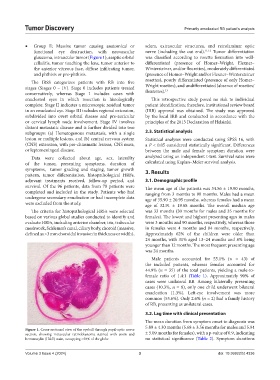
            Figure 1. Cross-sectional view of the eyeball through pupil-optic nerve
            section, showing intraocular retinoblastoma stained with eosin and   ± 5.09 months for females), with a p-value of 0.9, indicating
            hematoxylin (H&E) stain, occupying >50% of the globe  no statistical significance (Table  2). Symptom durations


            Volume 3 Issue 4 (2024)                         3                                 doi: 10.36922/td.4336

