


Page 57 - AIH-2-3
P. 57
Artificial Intelligence in Health                            AI in medical diagnostics: A multi-disease approach


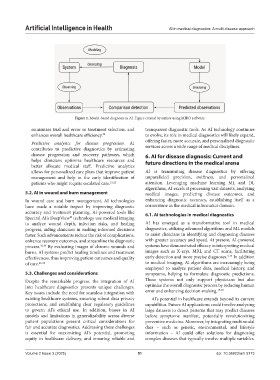
                                 Figure 1. Model-based diagnosis in AI. Figure created by author using MIRO software.

              minimizes trial and error in treatment selection, and   transparent diagnostic tools. As AI technology continues
              enhances overall healthcare efficiency. 20       to evolve, its role in medical diagnostics will likely expand,
                                                               offering faster, more accurate, and personalized diagnostic
                Predictive analytics for disease progression. AI   services across a wide range of medical disciplines.
              contributes to predictive diagnostics by estimating
              disease progression and recovery pathways, which   6. AI for disease diagnosis: Current and
              helps clinicians optimize healthcare resources and   future directions in the medical arena
              better allocate medical staff. Predictive analytics
              allows for personalized care plans that improve patient   AI is transmuting disease diagnostics by offering
              management and help in the early identification of   unparalleled precision, swiftness, and personalized
              patients who might require escalated care. 21,22  attention. Leveraging machine learning ML and DL
                                                               algorithms, AI excels at processing vast datasets, analyzing
            5.2. AI in wound and burn management               medical images, predicting disease outcomes, and
            In wound care and burn management, AI  technologies   enhancing diagnostic accuracy, establishing itself as a
            have made a notable impact by improving diagnostic   cornerstone in the medical informatics domain.
            accuracy and treatment planning. AI-powered tools like   6.1. AI technologies in medical diagnostics
            Spectral AI’s DeepView  technology use medical imaging
                               ®
            to analyze wound depth, infection risks, and healing   AI has emerged as a transformative tool in medical
            progress, aiding clinicians in making informed decisions   diagnostics, utilizing advanced algorithms and ML models
            faster. Such advancements reduce the risk of complications,   to assist clinicians in identifying and diagnosing diseases
            enhance recovery outcomes, and streamline the diagnostic   with greater accuracy and speed. At present, AI-powered
            process. 32,33  By evaluating images of chronic wounds and   systems have demonstrated efficacy in interpreting medical
            burns, AI systems predict healing timelines and treatment   images such as X-rays, MRI, and CT scans, facilitating
            effectiveness, thus improving patient outcomes and quality   early detection and more precise diagnoses. 3-13  In addition
            of care. 46-52                                     to medical imaging, AI algorithms are increasingly being
                                                               employed to analyze patient data, medical history, and
            5.3. Challenges and considerations                 symptoms, helping to formulate diagnostic predictions.
            Despite the remarkable progress, the integration of AI   These systems not only support physicians but also
            into healthcare diagnostics presents unique challenges.   optimize the overall diagnostic process by reducing human
            Key issues include the need for seamless integration with   error and enhancing decision-making. 15-22
            existing healthcare systems, ensuring robust data privacy   AI’s potential in healthcare extends beyond its current
            protections, and establishing clear regulatory guidelines   capabilities. Future AI applications could involve analyzing
            to govern AI’s ethical use. In addition, biases in AI   large datasets to detect patterns that may predict diseases
            models and limitations in generalizability across diverse   before symptoms manifest,  potentially revolutionizing
            patient populations present critical considerations for   preventive medicine. Moreover, by integrating multimodal
            fair and accurate diagnostics. Addressing these challenges   data – such as genetic, environmental, and lifestyle
            is essential for maximizing AI’s potential, promoting   information – AI could offer solutions for diagnosing
            equity  in  healthcare  delivery,  and  ensuring  reliable  and   complex diseases that typically involve multiple variables.


            Volume 2 Issue 3 (2025)                         51                               doi: 10.36922/aih.5173

