


Page 33 - AN-2-2
P. 33
Advanced Neurology                                                                  Seizures and CKD


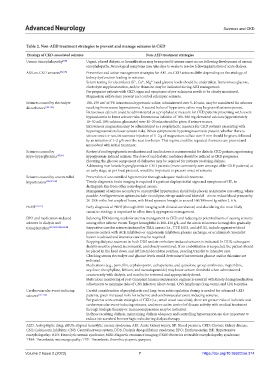
            Table 2. Non‑AED treatment strategies to prevent and manage seizures in CKD
             Etiology of CKD‑associated seizures               Non‑AED treatment strategies
            Uremic Encephalopathy [102]  Urgent, phased dialysis, or hemofiltration may be required if seizure onset occurs following development of uremic
                                      encephalopathy. Neurological symptoms may take days to weeks to resolve following initiation of acute dialysis.
            AKI-on-CKD seizures [78,103]  Prevention and active management strategies for AKI-on-CKD seizures differ depending on the etiology of
                                      kidney dysfunction leading to seizures.
                                      Serum testing for electrolytes (K , Ca , Mg ) and glucose levels should be undertaken. Intravenous glucose,
                                                                 2+
                                                             2+
                                                          +
                                      electrolyte supplementation, and/or thiamine may be indicated during AKI management.
                                      For pregnant patients with CKD, signs and symptoms of pre-eclampsia needs to be closely monitored.
                                      Magnesium sulfate may prevent and control eclampsic seizures.
            Seizures caused by electrolyte   100–150 cm  of 3% intravenous hypertonic saline, administered over 5–10 min, may be considered for seizures
                                              3
            disturbances [104‑106]    resulting from severe hyponatremia. A second bolus of hypertonic saline may be given if seizures persist.
                                      Intravenous calcium could be administered as a prophylactic measure for CKD patients presenting with severe
                                      hypocalcemia to lower seizure risks. Intravenous infusion of 100–300 mg elemental calcium (approximately
                                      10–30 mL 10% calcium gluconate) over 10–20 min should be given if seizure occurs.
                                      Intravenous magnesium may be administered as a prophylactic measure for CKD patients presenting with
                                      hypomagnesemia to lower seizure risks. When symptomatic hypomagnesemia is present, whether there is
                                      seizure onset or not, intravenous injection of 1–2 g of magnesium sulfate over 5 min should be given, followed
                                      by an infusion of 1–2 g/h over the next few hours. This regime could be repeated if seizures are present and
                                      unresolved with initial treatment.
            Seizures caused by        Review of oral hypoglycemic medications and insulin doses is recommended for diabetic CKD patients experiencing
            hypo-hyperglycemia [57,59]  hypoglycemia-induced seizures. The dose of oral diabetic medicines should be reduced as CKD progresses.
                                      Elevating the glucose component of dialysates may be required for patients receiving dialysis.
                                      Addressing non-ketotic hyperglycemia in CKD patients (more commonly seen amongst older CKD patients) at
                                      an early stage, as per local protocol, would be important to prevent onset of seizures.
            Seizures caused by uncontrolled   Prevention of uncontrolled hypertension through adequate medical treatment.
            hypertension [55,107‑109]  Timely diagnostic brain imaging is required if a patient displays initial signs and symptoms of HE, to
                                      distinguish this from other neurological causes.
                                      Management of seizures secondary to uncontrolled hypertension should take place in an intensive care setting, where
                                      possible. Antihypertensive options include nicardipine, nitroprusside and labetalol – aim to reduce blood pressure by
                                      20–25% in the first couple of hours, with blood rpessure brought to around 160/100 mmHg within 2–6 h.
            PRES [110,111]            Early diagnosis of PRES (through MRI imaging with clinical correlation) and elucidating the most likely
                                      causative etiology is important to allow timely appropriate management.
            EPO and medication-induced   Balancing EPO dosing needs for anemia management in CKD and reducing its potential harm of causing seizures
            seizures in dialysis and   among other adverse events. Target hemoglobin is 100–120 g/L, and the aim is to increase hemoglobin gradually.
            transplantation [55,71,75,79,110‑120]  Supportive care for seizures induced by TMA causes (i.e., TTP, HUS, and aHUS), include aggressive blood
                                      pressure control with ACE inhibitors or angiotensin inhibitors, plasma exchange, or eculizumab. Specialist
                                      liaison is advised and intensive care may be required.
                                      Stopping dialysis treatment in both DDS and air embolism-induced seizures is indicated. In DDS, subsequent
                                      dialysis must be phased, incremental, and closely monitored. If air embolization is suspected, the patient should
                                      be placed in the head down and left lateral decubitus position, pending transfer to intensive care.
                                      Checking serum electrolyte and glucose levels would determine if intravenous glucose and/or thiamine are
                                      indicated.
                                      Medications (e.g., penicillin, cephalosporin, carbapenems, and quinolone-group antibiotics, meperidine,
                                      acyclovir, theophylline, lithium, and metoclopramide) may lower seizure threshold when administered
                                      concurrently with dialysis, and need to be reviewed and appropriately dosed.
                                      Meticulous monitoring of post-transplant immunosuppression regimes is essential with timely dosing/medication
                                      adjustments to minimize risks of CNS infection (short-term), CNS lymphoma (long-term), and CNI toxicities.
            Cerebrovascular event-inducing   Careful consideration of prophylactic and long-term anticoagulation dosing is needed for advanced CKD
            seizures [121‑128]        patients, given increased risks for ischemic and cerebrovascular event-inducing seizures.
                                      For patients with certain etiologies of CKD (i.e., small vessel vasculitis), there are greater risks of ischemic and
                                      cerebrovascular event-inducing seizures, and more active control of disease activity with medical treatment
                                      through biologic therapy or immunosuppression may be indicated.
                                      In those receiving dialysis, maintaining dialysis adequacy and controlling hypertension are also important to
                                      reduce intracerebral hemorrhagic risks during dialysis therapy.
            AED: Antiepileptic drug; aHUS: atypical hemolytic uremic syndrome; AKI: Acute kidney injury; BP: Blood pressure; CKD: Chronic kidney disease;
            CNI: Calcineurin inhibitor; CNS: Central nervous system; DDS: Dialysis disequilibrium syndrome; EPO: Erythropoietin; HE: Hypertensive
            encephalopathy; HUS: Hemolytic uremic syndrome; MRI: Magnetic resonance imaging; PRES: Posterior reversible encephalopathy syndrome;
            TMA: Thrombotic microangiopathy; TTP: Thrombotic thrombocytopenic purpura

                                                                                       https://doi.org/10.36922/an.314
            Volume 2 Issue 2 (2023) olume 2 Issue 2 (2023)   7  7                      https://doi.org/10.36922/an.314
            V

