


Page 76 - AN-3-4
P. 76
Advanced Neurology                                           SARS-CoV-2 in age-associated neurodegeneration


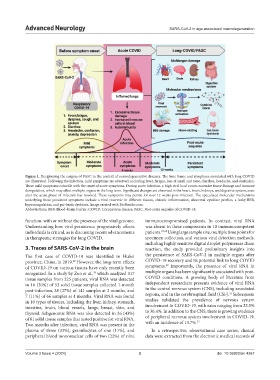
            Figure 1. Deciphering the enigma of PASC in the context of neurodegenerative diseases. The time frame and symptoms associated with long COVID
            are illustrated. Following the infection, mild symptoms are observed, including fever, fatigue, loss of smell and taste, diarrhea, headache, and confusion.
            These mild symptoms coincide with the onset of acute symptoms. During acute infection, a high viral load causes excessive tissue damage and immune
            deregulation, which may affect multiple organs in the long term. Significant changes are observed in the heart, brain, kidneys, and digestive system, even
            after the acute phase of infection has resolved. These symptoms may persist for over 12 weeks post-infection. The speculated molecular mechanisms
            underlying these persistent symptoms include a viral reservoir in different tissues, chronic inflammation, abnormal cytokine profiles, a leaky BBB,
            hypercoagulation, and gut-brain dysbiosis. Image created with BioRender.com.
            Abbreviations: BBB: Blood–brain barrier; COVID: Coronavirus disease; PASC: Post-acute sequelae of COVID-19.

            function, with or without the presence of the viral genome.   immunocompromised  patients.  In  contrast,  viral  RNA
            Understanding how viral persistence progressively affects   was absent in these components in 10 immunocompetent
            individuals is critical, as is discussing recent advancements   patients. 29,30  Using large sample size, multiple time points for
            in therapeutic strategies for long COVID.          specimen collection, and various viral detection methods,
                                                               including highly sensitive digital droplet polymerase chain
            3. Traces of SARS-CoV-2 in the brain               reaction, the study provided preliminary insights into
            The first case of COVID-19 was identified in Hubei   the persistence of SARS-CoV-2 in multiple organs after
            province, China, in 2019.  However, the long-term effects   COVID-19 recovery and its potential link to long COVID
                                28
                                                                        29
            of COVID-19 on various tissues have only recently been   symptoms.  Importantly, the presence of viral RNA in
                                         29
            recognized. In a study by Zuo et al.,  which analyzed 317   multiple organs has been significantly associated with post-
            tissue samples from 225 patients, viral RNA was detected   COVID conditions. A  growing body of literature from
            in 16 (30%) of 53 solid tissue samples collected 1-month   independent researchers presents evidence of viral RNA
            post-infection, 38 (27%) of 141 samples at 2 months, and   in the central nervous system (CNS), including associated
                                                                                                   31
            7 (11%) of 66 samples at 4 months. Viral RNA was found   regions, and in the cerebrospinal fluid (CSF).  Subsequent
            in 10 types of tissues, including the liver, kidney, stomach,   studies  validated the  prevalence  of nervous system
            intestine, brain, blood vessels,  lungs, breast, skin,  and   involvement in COVID-19, with rates ranging from 22.5%
            thyroid. Subgenomic RNA was also detected in 26 (43%)   to 36.4%. In addition to the CNS, there is growing evidence
            of 61 solid tissue samples that tested positive for viral RNA.   of peripheral nervous system involvement in COVID-19,
                                                                                     32
            Two months after infection, viral RNA was present in the   with an incidence of 13.7%.
            plasma of three (33%), granulocytes of one (11%), and   In a retrospective, observational case series, clinical
            peripheral blood mononuclear cells of two (22%) of nine   data were extracted from the electronic medical records of


            Volume 3 Issue 4 (2024)                         3                                doi: 10.36922/an.4267

