


Page 45 - ARNM-2-1
P. 45
Advances in Radiotherapy
            & Nuclear Medicine                                          Exploring  F-FDG PET/CT in Richter transformation
                                                                               18


            A                      B                           acknowledge the limitations identified in the study. The
                                                               retrospective nature, small sample size, and potential
                                                               bias in patient selection challenged the reliability and
                                                               practicality of the findings. Despite these constraints, the
                                                               study highlighted the significance of PET/CT imaging
                                                               in confirming clinical suspicions and guiding biopsy site
                                                               selection. Moving forward, larger prospective studies with
                                                               diverse cohorts are warranted to enhance the robustness of
                                   C                           evidence and provide a more comprehensive understanding
                                                               of the role of PET/CT scans in RT evaluation.
                                                               Acknowledgments

                                                               None.
                                                               Funding
                                                               None.
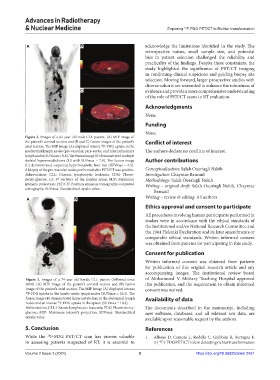
            Figure 2. Images of a 62-year-old male CLL patient. (A) MIP image of
            the patient’s coronal section and (B and C) fusion images of the patient’s   Conflict of interest
                                            18
            axial section. The MIP image (A) displayed intense  F-FDG uptake in the
            mediastinal lymph nodes (pre-vascular, para-aortic, and hilar pulmonary   The authors declare no conflicts of interest.
            lymph nodes; SUVmax = 8.8). The fusion image (B) demonstrated multiple
            skeletal hypermetabolisms (L3 with SUVmax = 7.8). The fusion image   Author contributions
            (C) demonstrated suspected hypermetabolic liver foci (SUVmax = 6.5).
            A biopsy of the pre-vascular nodes performed after PET/CT was positive.  Conceptualization: Salah Oueriagli Nabih
            Abbreviations: CLL: Chronic lymphocytic leukemia; FDG: Fluoro-  Investigation: Chaymae Bensaid
                         rd
            deoxy-glucose; L3:  3   vertebra of the lumbar spine; MIP: Maximum   Methodology: Salah Oueriagli Nabih
            intensity projection; PET/CT: Positron emission tomography-computed   Writing – original draft: Salah Oueriagli Nabih, Chaymae
            tomography; SUVmax: Standardized uptake value.
                                                                  Bensaid
            A                    B                             Writing – review & editing: All authors
                                                               Ethics approval and consent to participate
                                                               All procedures involving human participants performed in
                                                               studies were in accordance with the ethical standards of
                                                               the Institutional and/or National Research Committee and
                                                               the 1964 Helsinki Declaration and its later amendments or
                                                               comparable ethical standards. Written informed consent
                                                               was obtained from patients for participating in this study.
                                                               Consent for publication

                                                               Written informed consent was obtained from patients
                                                               for publication of this original research article and any
                                                               accompanying images. The institutional review board
            Figure  3.  Images of a 74-year-old female CLL patient (followed since   of Mohammed V Military Teaching Hospital approved
            2018). (A) MIP image of the patient’s coronal section and (B)  fusion   this publication, and the requirement to obtain informed
            image of the patient’s axial section. The MIP image (A) displayed intense   consent was waived.
            18 F-FDG uptake in the lombo-aortic lymph nodes (SUVmax = 26.3). The
            fusion image (B) demonstrated hypermetabolism in the abdominal lymph   Availability of data
            nodes and an intense  F-FDG uptake in the spleen (SUVmax = 10.3).
                          18
            Abbreviations: CLL: Chronic lymphocytic leukemia; FDG: Fluoro-deoxy-  The documents described in the manuscript, including
            glucose; MIP: Maximum intensity projection; SUVmax: Standardized   new software, databases, and all relevant raw data, are
            uptake value.                                      available upon reasonable request by the authors.
            5. Conclusion                                      References

            While the  F-FDG PET/CT scan has proven valuable   1.   Albano D, Camoni L, Rodella C, Giubbini R, Bertagna F.
                     18
            in  assessing  patients  suspected  of  RT,  it  is  essential  to   2-[ F]-FDG PET/CT role in detecting richter transformation
                                                                     18
            Volume 2 Issue 1 (2024)                         5                       https://doi.org/10.36922/arnm.2431

