


Page 38 - ARNM-3-1
P. 38
Advances in Radiotherapy
            & Nuclear Medicine                                                 EZH2 inhibition in ARID1A-deficient TNBC


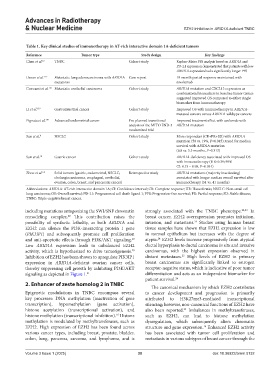
            Table 1. Key clinical studies of immunotherapy in AT-rich interactive domain 1A-deficient tumors
            Reference               Tumor type               Study design               Key findings
            Chen et al. 13  TNBC                        Cohort study        Kaplan–Meier PFS analysis based on ARID1A and
                                                                            PD-L1 expression demonstrated that patients with low
                                                                            ARID1A expression had a significantly longer PFS
            Duran et al. 117  Metastatic lung adenocarcinoma with ARID1A  Case report  19-month partial response maintained with
                        mutations                                           nivolumab
            Goswami et al. 118  Metastatic urothelial carcinoma  Cohort study  ARID1A mutation and CXCL13 expression as
                                                                            combinatorial biomarkers in baseline tumor tissues
                                                                            suggested improved OS compared to either single
                                                                            biomarker from immunotherapy
            Li et al. 119  Gastrointestinal cancer      Cohort study        Improved OS with immunotherapy in ARID1A-
                                                                            mutated cancers versus ARID1A-wildtype cancers
            Pignata et al. 120  Advanced endometrial cancer  Pre-planned transitional   Improved treatment effect with avelumab with
                                                        analysis of the MITO END-3  ARID1A mutation
                                                        randomized trial
            Sun et al. 8  NSCLC                         Cohort study        More responders (CR+PR+SD) with ARID1A
                                                                            mutation (50 vs. 19%, P=0.045); trend for median
                                                                            survival with ARID1A mutation
                                                                            (6.8 vs. 5.5 months, P=0.313)
            Sun et al. 10  Gastric cancer               Cohort study        ARID1A-deficiency associated with improved OS
                                                                            with immunotherapy (HR: 0.39; 95%
                                                                            CI: 0.15 – 0.98, P=0.044)
            Zhou et al. 121  Solid tumors (gastric, endometrial, NSCLC,   Retrospective study  ARID1A mutations (majority inactivating)
                        cholangiocarcinoma, esophageal, urothelial,         associated with longer median overall survival after
                        ovarian, colon, breast, and pancreatic cancer)      immunotherapy (51 vs. 41 months)
            Abbreviations: ARID1A: AT-rich interactive domain 1A; CI: Confidence interval; CR: Complete response; HR: Hazard ratio; NSCLC: Non-small cell
            lung carcinoma; OS: Overall survival; PD-L1: Programmed cell death ligand 1; PFS: Progression-free survival; PR: Partial response; SD: Stable disease;
            TNBC: Triple-negative breast cancer.

            including mutations antagonizing the SWI/SNF chromatin   strongly associated with the TNBC phenotype. 22,23  In
            remodeling complex.  This contribution raises the   breast cancer, EZH2 overexpression promotes initiation,
                              20
            possibility of synthetic lethality, as both  ARID1A and   invasion, and metastasis.  Studies using human breast
                                                                                    24
            EZH2 can silence the PI3K-interacting protein 1 gene   tissue samples have shown that EZH2 expression is low
            (PIK3IP1) and subsequently promote cell proliferation   in normal epithelium but increases with the degree of
                                                                    24
            and anti-apoptotic effects through PI3K/AKT signaling.    atypia.  EZH2 levels increase progressively from atypical
                                                         20
            Low  ARID1A expression leads to unbalanced EZH2    ductal hyperplasia to ductal carcinoma in situ and invasive
            activity, which is hypothesized to drive tumorigenesis.    carcinomas, with the highest expression observed in
                                                         20
                                                                              25
            Inhibition of EZH2 has been shown to upregulate PIK3IP1   distant metastases.  High levels of EZH2 in primary
            expression in  ARID1A-deficient ovarian cancer cells,   breast carcinomas are significantly linked to estrogen
            thereby suppressing cell growth by inhibiting PI3K/AKT   receptor-negative status, which is indicative of poor tumor
            signaling as depicted in Figure 1. 21              differentiation and acts as an independent biomarker for
                                                               patient survival. 24
            2. Enhancer of zeste homolog 2 in TNBC
                                                                 The canonical mechanism by which EZH2 contributes
            Epigenetic modulations in TNBC encompass several   to cancer development and progression is primarily
            key  processes:  DNA  methylation (inactivation of  gene   attributed  to  H3K27me3-mediated  transcriptional
            transcription),  hypomethylation  (gene  activation),  silencing; however, non-canonical functions of EZH2 have
            histone acetylation (transcriptional activation), and   also been reported.  Imbalances in methyltransferases,
                                                                               24
            histone methylation (transcriptional inhibition).  Histone   such as EZH2, can lead to histone methylation
                                                  16
            methylation is modulated by methyltransferases, such as   dysregulation, which subsequently  alters chromatin
            EZH2. High expression of EZH2 has been found across   structure and gene expression.  Enhanced EZH2 activity
                                                                                        16
            various cancer types, including breast, prostate, bladder,   has been associated with tumor cell proliferation and
            colon, lung, pancreas, sarcoma, and lymphoma, and is   metastasis in various subtypes of breast cancer through the

            Volume 3 Issue 1 (2025)                         30                             doi: 10.36922/arnm.5132

