


Page 39 - ARNM-3-1
P. 39
Advances in Radiotherapy
            & Nuclear Medicine                                                 EZH2 inhibition in ARID1A-deficient TNBC


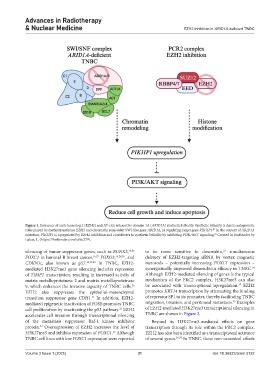
            Figure 1. Enhancer of zeste homolog 2 (EZH2) and AT-rich interactive domain 1A (ARID1A) synthetic lethality. Synthetic lethality is due to antagonistic
                                                                                            21
            roles played by methyltransferase EZH2 and chromatin remodeler SWI-like gene ARID1A, in regulating target gene PIK3IP1.  In the context of ARID1A
                                                                                            21
            mutation, PIK3IP1 is upregulated by EZH2 inhibition and contributes to synthetic lethality by inhibiting PI3K/AKT signaling.  Created in BioRender by
            Lukas, L. (https://BioRender.com/y06c279).
            silencing of tumor suppressor genes, such as RUNX3, 16,26    to be more sensitive to doxorubin,  simultaneous
                                                                                                33
            FOXC1 in luminal B breast cancer, 16,27  FOXO3, 16,28,29 , and   delivery of EZH2-targeting siRNA by vortex magnetic
            CDKN1c, also known as p57. 16,28,30  In TNBC, EZH2-  nanorods – potentially increasing  FOXC1 expression –
                                                                                                            34
            mediated H3K27me3 gene silencing includes repression   synergistically improved doxorubicin efficacy in TNBC.
            of TIMP2 transcription, resulting in increased activity of   Although EZH2-mediated silencing of genes is the typical
            matrix metalloproteinase 2 and matrix metalloproteinase   mechanism of the PRC2 complex, H3K27me3 can also
                                                                                                      35
            9, which enhances the invasive capacity of TNBC cells.    be associated with transcriptional upregulation.  EZH2
                                                         22
            EZH2 also suppresses the epithelial-mesenchymal    promotes KRT14 transcription by attenuating the binding
                                        31
            transition suppressor gene  CDH1.  In addition, EZH2-  of repressor SP1 to its promoter, thereby facilitating TNBC
                                                                                                    35
            mediated epigenetic inactivation of FOSB promotes TNBC   migration, invasion, and peritoneal metastasis.  Examples
            cell proliferation by inactivating the p53 pathway.  EZH2   of EZH2-mediated H3K27me3 transcriptional silencing in
                                                    32
            accelerates cell invasion through transcriptional silencing   TNBC are shown in Figure 2.
            of the metastasis suppressor Raf-1 kinase inhibitor   Beyond its H3K27me3-mediated effects on gene
            protein.  Overexpression of EZH2 increases the level of   transcription through its role within the PRC2 complex,
                  31
                                                 33
            H3K27me3 and inhibits expression of FOXC1.  Although   EZH2 has also been identified as a transcriptional activator
            TNBC cell lines with low FOXC1 expression were reported   of several genes. 36,37  In TNBC, these non-canonical effects
            Volume 3 Issue 1 (2025)                         31                             doi: 10.36922/arnm.5132

