


Page 12 - BH-2-2
P. 12
Brain & Heart                                                      Oxidative stress and neurological disorders


            Mitochondrial-derived vesicles are also associated with the   7. Oxidative stress in neuropsychiatric
            activation of hyper-fragmented mitochondria and giant   disorders
            mitochondria nucleoids, which can trigger the immune
            response.  Altered mitochondrial metabolism, increased   7.1. Schizophrenia
                   55
            membrane permeability, decreased membrane potential, and   Schizophrenia is a severe mental disorder that affects
            excess production of ROS and energy deficits are associated   approximately 0.4% of the global population, imposing
            with neurological disorders and their progression. 56  significant emotional and financial burdens on both
                                                               patients and their families. Characterized by a diverse range
            6. Neurological disorder                           of symptoms, schizophrenia manifests as a heterogeneous

            Neurological disorders are defined medically as    disorder, encompassing both positive and negative
            conditions that affect biochemical, structural, or   symptoms. Positive symptoms include thought disorders,
            electrical abnormalities in the brain, spinal cord, or other   hallucinations, and delusions, whereas negative symptoms
            nerves, often resulting in a range of symptoms such as   include social withdrawal and poverty of thought. Notably,
            paralysis,  muscle weakness, poor coordination,  loss of   50–90% of schizophrenia patients exhibit negative
                                                                                                   66
            sensation, seizures, and altered levels of consciousness.    symptoms during their first episode of illness.
                                                         57
            Broadly, neurological disorders are classified into three   Patients diagnosed with schizophrenia experience
            categories: (i) neuropsychiatric disorders, such as   auditory verbal hallucinations (AVHs), which are prevalent
            schizophrenia, bipolar disorder, anxiety, and seizures; (ii)   in around 70% of cases. AVHs involve patients hearing
            neurodegenerative disorders, such as Parkinson’s disease,   voices that are unreal, without any external sound stimuli.
            Huntington’s disease, and Alzheimer’s disease; and (iii)   In general, these voices consist of insulting comments or
            neurocognitive disorders, such as dementia, autism, and   negative remarks directed toward the patients, potentially
            delirium. Neuropsychiatric disorders represent a spectrum   prompting self-harm, suicidal tendencies, or extreme
            of syndromes where an individual’s cognitive, behavioral,   violence. 67
            and emotional abilities are affected.  Common examples   Psychiatrists managing schizophrenia often emphasize
                                         58
            include schizophrenia, major depressive disorder (MDD),   the adage, “Time is cognition.” Emerging but limited
            attention deficit hyperactivity disorder (ADHD), and   evidence suggests that early intervention before the onset
            bipolar disorder. Despite their high prevalence, these   of psychosis is crucial for preserving patients’ functional
            disorders  can  have profoundly  debilitating effects.  In   ability  and cognition.  Therapy, social  support,  and
            addition, anxiety stands out as a major neuropsychiatric   psychoeducation are all very important and significant
            problem, particularly prevalent during adolescence   aspects of the treatment of different stages of schizophrenia.
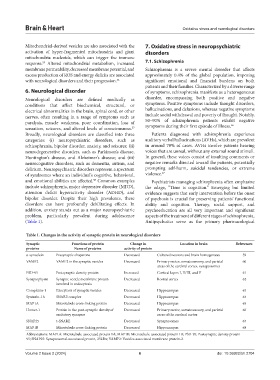
            (Table 1).                                         Antipsychotics serve as the primary pharmacological


            Table 1. Changes in the activity of synaptic protein in neurological disorders
            Synaptic            Functions of protein    Change in             Location in brain      References
            proteins             Name of proteins     activity of protein
            α-synuclein  Presynaptic chaperone        Decreased     Cultured neurons and brain homogenates  59
            VAMP2        VAMP2 in the synaptic vesicles  Decreased  Primary motor, somatosensory, and parietal   60
                                                                    areas of the cerebral cortex, synaptosomes
            PSD-95       Postsynaptic density protein  Increased    Cortical layers I, II/III, and V    61
            Synaptophysin  Synaptic vesicle membrane protein   Decreased  Rostral cortex                62
                         involved in endocytosis
            Complexin-1  Exocytosis of synaptic vesicles  Decreased  Hippocampus                        63
            Syntaxin-1A  SNARE complex                Decreased     Hippocampus                         64
            MAP1A        Microtubule cross-linking protein  Decreased  Hippocampus                      65
            Homer-1      Protein in the post-synaptic density of   Decreased  Primary motor, somatosensory, and parietal   66
                         excitatory synapses                        areas of the cerebral cortex
            SNAP25       t-SNARE                      Decreased     Synaptosomes                        67
            MAP1B        Microtubule cross-linking protein  Decreased  Hippocampus                      68
            Abbreviations: MAP1A: Microtubule-associated protein 1A; MAP1B: Microtubule-associated protein 1B; PSD-95: Postsynaptic density protein
            95; SNAP25: Synaptosomal-associated protein, 25kDa; VAMP2: Vesicles-associated membrane protein-2.


            Volume 2 Issue 2 (2024)                         6                                doi: 10.36922/bh.2704

