


Page 25 - DP-2-2
P. 25
Design+                                                                   Climate-adaptive clothing design


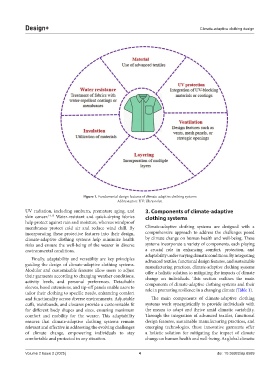
                                    Figure 1. Fundamental design features of climate-adaptive clothing systems
                                                   Abbreviation: UV: Ultraviolet.
            UV radiation, including sunburn, premature aging, and   3. Components of climate-adaptive
            skin cancer. 14,15  Water-resistant and quick-drying fabrics   clothing systems
            help protect against rain and moisture, whereas windproof
            membranes protect cold air and reduce wind chill. By   Climate-adaptive clothing systems are designed with a
            incorporating these protective features into their design,   comprehensive approach to address the challenges posed
            climate-adaptive  clothing  systems  help  minimize  health   by climate change on human health and well-being. These
            risks and ensure the well-being of the wearer in diverse   systems incorporate a variety of components, each playing
            environmental conditions.                          a crucial role in enhancing comfort, protection, and
                                                               adaptability under varying climatic conditions. By integrating
              Finally, adaptability and versatility are key principles   advanced textiles, functional design features, and sustainable
            guiding the design of climate-adaptive clothing systems.   manufacturing practices, climate-adaptive clothing systems
            Modular and customizable features allow users to adjust   offer a holistic solution to mitigating the impacts of climate
            their garments according to changing weather conditions,   change  on  individuals.  This  section  outlines  the  main
            activity levels, and personal preferences. Detachable   components of climate-adaptive clothing systems and their
            sleeves, hood extensions, and zip-off panels enable users to   role in promoting resilience in a changing climate (Table 1).
            tailor their clothing to specific needs, enhancing comfort
            and functionality across diverse environments. Adjustable   The main components of climate-adaptive clothing
            cuffs, waistbands, and closures provide a customizable fit   systems work synergistically to provide individuals with
            for different body shapes  and sizes,  ensuring maximum   the means to adapt and thrive amid climatic variability.
            comfort and mobility for the wearer. This adaptability   Through the integration of advanced textiles, functional
            ensures that climate-adaptive clothing systems remain   design features, sustainable manufacturing practices, and
            relevant and effective in addressing the evolving challenges   emerging technologies, these innovative garments offer
            of climate change, empowering individuals to stay   a holistic solution for mitigating the impact of climate
            comfortable and protected in any situation.        change on human health and well-being. As global climatic


            Volume 2 Issue 2 (2025)                         4                                doi: 10.36922/dp.8589

