


Page 32 - DP-2-2
P. 32
Design+                                                                   Climate-adaptive clothing design


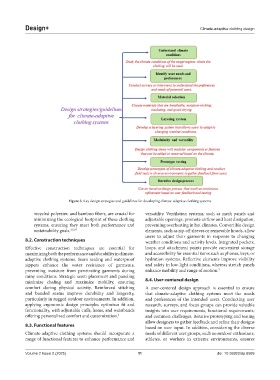
                              Figure 3. Key design strategies and guidelines for developing climate-adaptive clothing systems

               recycled polyester, and bamboo fibers, are crucial for   versatility. Ventilation systems, such as mesh panels and
               minimizing the ecological footprint of these clothing   adjustable openings, promote airflow and heat dissipation,
               systems, ensuring they meet both performance and   preventing overheating in hot climates. Convertible design
               sustainability goals. 3,5,37                    elements, such as zip-off sleeves or removable hoods, allow
                                                               users to adjust their garments in response to changing
            8.2. Construction techniques                       weather conditions and activity levels. Integrated pockets,
            Effective construction techniques are essential for   loops, and attachment points provide convenient storage
            maximizing both the performance and durability in climate-  and accessibility for essential items such as phones, keys, or
            adaptive clothing systems. Seam sealing and waterproof   hydration systems. Reflective elements improve visibility
            zippers enhance the water resistance of garments,   and safety in low-light conditions, whereas stretch panels
            preventing moisture from penetrating garments during   enhance mobility and range of motion. 3
            rainy conditions. Strategic seam placement and paneling
            minimize chafing and maximize mobility, ensuring   8.4. User-centered design
            comfort during physical activity. Reinforced stitching   A user-centered design approach is essential to ensure
            and bonded seams improve durability and longevity,   that climate-adaptive clothing systems meet the needs
            particularly in rugged outdoor environments. In addition,   and preferences of the intended users. Conducting user
            applying ergonomic design principles optimizes fit and   research, surveys, and focus groups can provide valuable
            functionality, with adjustable cuffs, hems, and waistbands   insights into user requirements, functional requirements,
            offering personalized comfort and customization. 4  and common challenges. Iterative prototyping and testing
                                                               allow designers to gather feedback and refine their designs
            8.3. Functional features                           based on user input. In addition, considering the diverse
            Climate-adaptive clothing systems should incorporate a   needs of different user groups, such as outdoor enthusiasts,
            range of functional features to enhance performance and   athletes, or workers in extreme environments, ensures


            Volume 2 Issue 2 (2025)                         11                               doi: 10.36922/dp.8589

