


Page 31 - DP-2-2
P. 31
Design+ Climate-adaptive clothing design
conditions, cultural preferences, and functional 8.1. Material selection
requirements of each region. Several guidelines and Material selection is essential for the performance of climate-
strategies can be tailored to address the specific challenges adaptive clothing systems, directly influencing thermal
and opportunities presented by various countries around regulation, user comfort, and environmental sustainability.
the world (Table 3). • Thermoregulatory fabrics manage body temperature
8. Design strategies and guidelines for by balancing heat retention and dissipation.
climate-adaptive clothing systems • High-performance moisture-wicking materials (e.g.,
synthetic fibers and merino wool) enhance sweat
Designing effective climate-adaptive clothing systems evaporation and cooling in hot and humid conditions.
requires a comprehensive understanding of environmental • Insulation materials, such as down and synthetic fills,
conditions, user needs, and functional requirements provide warmth without compromising breathability
(Figure 3). Implementing appropriate design strategies in cold climates. 3
and guidelines is essential to optimize the performance, • Adaptive fabrics, including phase-change materials,
comfort, and sustainability of these systems. Key enable dynamic thermal regulation by responding to
considerations during the design process include material temperature changes.
selection, construction techniques, and functional features. • UV-resistant fabrics protect the wearer from harmful
By integrating advanced textiles, innovative design solar radiation, whereas water-repellent treatments
elements, and sustainable practices, designers can create enhance comfort in wet environments.
climate-adaptive clothing systems that effectively mitigate • Breathable waterproof membranes (e.g., Gore-Tex )
the impact of climate change on human health and well- improve both water resistance and vapor permeability.
being. • Sustainable materials, including organic cotton,
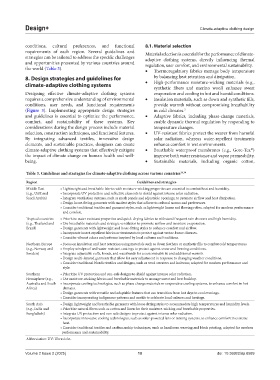
Table 3. Guidelines and strategies for climate‑adaptive clothing across various countries 38,39
Region Guidelines and strategies
Middle East • Lightweight and breathable fabrics with moisture‑wicking properties are essential to combat heat and humidity.
(e.g., UAE and • Incorporate UV protection and reflective elements to shield against intense solar radiation.
Saudi Arabia) • Integrate ventilation systems, such as mesh panels and adjustable openings, to promote airflow and heat dissipation.
• Design loose‑fitting garments with modest styles that adhere to cultural norms and preferences.
• Consider traditional textiles and garment styles, such as lightweight linens and flowing robes, adapted for modern performance
and comfort.
Tropical countries • Prioritize water‑resistant properties and quick‑drying fabrics to withstand frequent rain showers and high humidity.
(e.g., Thailand and • Use breathable materials and strategic ventilation to promote airflow and moisture evaporation.
Brazil) • Design garments with lightweight and loose‑fitting styles to enhance comfort and airflow.
• Incorporate insect‑repellent fabrics or treatments to protect against vector‑borne diseases.
• Consider vibrant colors and patterns inspired by local cultures and traditions.
Northern Europe • Focus on insulation and heat retention using materials such as down feathers or synthetic fills to combat cold temperatures.
(e.g., Norway and • Employ windproof and water‑resistant coatings to protect against snow and freezing conditions.
Sweden) • Integrate adjustable cuffs, hoods, and waistbands for a customizable fit and additional warmth.
• Design multi‑layered garments that allow for easy adjustment in response to changing weather conditions.
• Consider traditional Nordic textiles and designs, such as wool sweaters and knitwear, adapted for modern performance and
style.
Southern • Prioritize UV protection and sun‑safe designs to shield against intense solar radiation.
Hemisphere (e.g., • Use moisture‑wicking fabrics and breathable materials to manage sweat and heat buildup.
Australia and South • Incorporate cooling technologies, such as phase change materials or evaporative cooling systems, to enhance comfort in hot
Africa) climates.
• Design garments with versatile and adaptable features that can transition from hot days to cool evenings.
• Consider incorporating indigenous patterns and motifs to celebrate local cultures and heritage.
South Asia • Design lightweight and breathable garments with loose‑fitting styles to accommodate high temperatures and humidity levels.
(e.g., India and • Prioritize natural fibers such as cotton and linen for their moisture‑wicking and breathable properties.
Bangladesh) • Integrate UV protection and sun‑safe designs to protect against intense solar radiation.
• Incorporate innovative cooling technologies, such as solar‑powered fans or misting systems, to enhance comfort in extreme
heat.
• Consider traditional textiles and craftsmanship techniques, such as handloom weaving and block printing, adapted for modern
performance and sustainability.
Abbreviation: UV: Ultraviolet.
Volume 2 Issue 2 (2025) 10 doi: 10.36922/dp.8589

