


Page 240 - EJMO-9-3
P. 240
Eurasian Journal of
            Medicine and Oncology                                                 ICU pharmacists and clinical outcomes


                                                                 This study revealed that ICU team care involving CCPs
                                                               decreased the occurrence of ADEs. The incidence of ADEs
                                                               is influenced by the clinical setting and the nature of
                                                               interventions. ADEs contribute significantly to healthcare
                                                               costs, particularly through insurance claims; therefore,
                                                               reducing their occurrence represents a major advantage
                                                               for ICU patients.  The observed 61% reduction in ADEs
                                                                             46
                                                               supports the role of CCPs in improving medication safety.
                                                               In the ICU, ADEs are frequently linked to polypharmacy,
                                                               organ dysfunction, drug–drug interactions (DDIs), and
                                                               medications with narrow therapeutic indices. CCPs bring
                                                               specialized expertise to address these challenges, ensuring
                                                               appropriate dosing and monitoring of medications. Their
                                                               interventions range from preventing nephrotoxic drug
                                                               combinations to adjusting antibiotic regimens based on
                                                               pharmacokinetic parameters, actions that directly mitigate
                                                               the risk of ADEs.
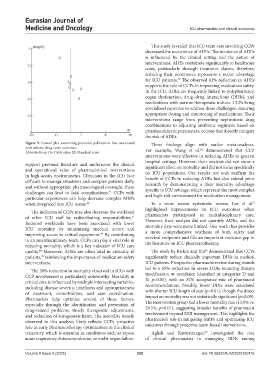
            Figure  5.  Funnel plot examining potential publication bias associated   These  findings  align  with  earlier  meta-analyses.
            with adverse drug event outcomes                                          14
            Abbreviations: Or: Odds ratio; SE: Standard error  For example, Wang  et al.  demonstrated that CCP
                                                               interventions were effective in reducing ADEs in general
                                                               hospital settings. However, their analysis did not show a
            support  previous  literature  and underscore the  clinical   significant effect on mortality and did not focus specifically
            and operational value of pharmacist-led interventions   on ICU populations. Our results not only reaffirm the
            in high-acuity environments. Clinicians in the ICU face   benefit of CCPs in reducing ADEs but also extend prior
            difficult-to-manage situations and complex patients daily,   research by demonstrating a clear mortality advantage
            and without appropriate pharmacological oversight, these   specific to ICU settings, which represent the most complex
            challenges  can  lead  to fatal  complications.   CCPs  with   and high-risk environment for medication management.
                                               41
            particular experiences can help decrease complex MRPs
            when integrated into ICU teams. 42                   In a more recent systematic review, Lee  et al.
                                                                                                             3
                                                               highlighted improvements in ICU outcomes when
              The inclusion of CCPs may also decrease the workload
            of  other  ICU  staff  by  redistributing  responsibilities.    pharmacists participated in multidisciplinary care.
                                                         41
                                                               However, their analysis did not quantify ADEs, and the
            Reduced workloads have been associated with lower   mortality data were more limited. Our work thus provides
            ICU mortality by minimizing medical errors and     a more comprehensive synthesis of both safety and
            improving access to critical equipment.  By contributing   survival endpoints and fills an important evidence gap in
                                            43
            to an interdisciplinary team, CCPs can play a vital role in   the literature on ICU pharmacotherapy.
            reducing mortality, which is a key indicator of ICU care
                                                                                        26
            quality.  Moreover,  ADEs are often  fatal in  critically ill   The study by Rivkin and Yin  demonstrated that CCPs
                  44
            patients,  reinforcing the importance of medication safety   significantly reduce clinically important DDIs in medical
                   45
            interventions.                                     ICU patients. Prospective pharmacist review during rounds
                                                               led to a 65% reduction in severe DDIs requiring therapy
              The 28% reduction in mortality observed in ICUs with
            CCP involvement is particularly noteworthy. Mortality in   modification or avoidance (classified as categories D and
                                                               X;  p<0.01), with an 82% acceptance rate of pharmacist
            critical care is influenced by multiple intersecting variables,   recommendations. Notably, fewer DDIs were associated
            including disease severity, timeliness and appropriateness   with shorter ICU length of stay (p<0.01), though the direct
            of treatment, comorbidities, and care coordination.
            Pharmacists help optimize several of these factors,   impact on mortality was not statistically significant (p=0.09).
            especially  through the identification  and prevention of   The intervention group had a lower mortality rate (13.9% vs.
            drug-related problems, timely therapeutic adjustments,   29.5%, p=0.01), suggesting broader benefits of pharmacist
            and reduction of iatrogenesis harm. The mortality benefit   involvement beyond DDI management. This highlights the
            observed in this analysis likely reflects CCPs’ proactive   pharmacist’s role in mitigating MRPs and optimizing ICU
            role in early pharmacotherapy optimization in the clinical   outcomes through proactive, team-based interventions.
            trajectory, which is essential in conditions such as sepsis,   Aghili and Kasturirangan  investigated the role
                                                                                        35
            acute respiratory distress syndrome, or multi-organ failure.  of  clinical  pharmacists in  managing  DDIs  among

            Volume 9 Issue 3 (2025)                        232                         doi: 10.36922/EJMO025150116

