


Page 35 - GPD-1-1
P. 35
Gene & Protein in Disease                                 Genetically engineered T cells in cancer immunotherapy


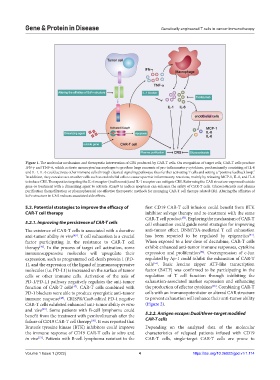
            Figure 1. The molecular mechanism and therapeutic intervention of CRS produced by CAR-T cells. On recognition of target cells, CAR-T cells produce
            IFN- and TNF-α, which activate monocytes/macrophages to produce large amounts of pro-inflammatory cytokines, predominantly consisting of IL-6
            and IL-1. IL-6 could activate other immune cells through classical signaling pathways, thus further activating T cells and setting a “positive feedback loop.”
            In addition, they can also act on other cells such as endothelial cells to cause systemic inflammatory reactions, mainly by releasing MCP-1, IL-8, and IL-6
            to induce CRS. Therapeutics targeting the IL-6 receptor (tocilizumab) and IL-1 receptor can mitigate CRS. Reforming the CAR structure-expressed suicide
            gene or treatment with a dimerizing agent to activate iCasp9 to induce apoptosis can enhance the safety of CAR-T cells. Glucocorticoids and plasma
            purification (hemofiltration or plasmapheresis) are effective therapeutic methods for managing CAR-T cell therapy-related CRS. Altering the affinities of
            ScFv structure in CAR reduces associated side effects.

            5.2. Potential strategies to improve the efficacy of   first CD19 CAR-T cell infusion could benefit from BTK
            CAR-T cell therapy                                 inhibitor salvage therapy and re-treatment with the same
                                                               CAR-T cell product . Exploring the mechanism of CAR-T
                                                                              [52]
            5.2.1. Improving the persistence of CAR-T cells    cell exhaustion could guide novel strategies for improving
            The existence of CAR-T cells is associated with a durative   anti-tumor effect. DNMT3A-mediated T cell exhaustion
            anti-tumor ability in vivo . T cell exhaustion is a crucial   has been reported to be regulated by epigenetics .
                                                                                                           [53]
                                [45]
            factor participating in the resistance to CAR-T cell   When exposed to a low dose of decitabine, CAR-T cells
                  [46]
            therapy . In the  process  of target  cell activation, some   exhibit enhanced anti-tumor immune responses, cytokine
                                                                                      [54]
            immunosuppressive molecules will upregulate their   expression and proliferation . Overexpression of c-Jun
            expression, such as programmed cell death protein 1 (PD-  regulated by Ap-1 could inhibit the exhaustion of CAR-T
            1), and the expression of the ligand of immunosuppressive   cells .  Basic  leucine  zipper  ATF-like  transcription
                                                                  [55]
            molecules (i.e. PD-L1) is increased on the surface of tumor   factor (BATF) was confirmed to be participating in the
            cells  or  other  immune  cells.  Activation  of  the  axis  of   regulation  of  T  cell  function  through  inhibiting  the
            PD-1/PD-L1 pathway negatively regulates the anti-tumor   exhaustion-associated marker expression and  enhancing
            function of CAR-T cells . CAR-T cells combined with   the production of effector cytokines . Combining CAR-T
                                                                                           [56]
                                [47]
            PD-1 blockers were able to produce synergistic anti-tumor   cells with an immunopotentiator or altered CAR structure
            immune response . CRISPR/Cas9-edited PD-1 negative   to prevent exhaustion will enhance their anti-tumor ability
                          [48]

            CAR-T cells exhibited enhanced anti-tumor ability in vitro   (Figure 2).
            and vivo . Some patients with B-cell lymphoma could
                   [49]
            benefit from the treatment with pembrolizumab after the   5.2.2. Antigen escape: Dual/three-target modified
            failure of CD19 CAR-T cell therapy . It was reported that   CAR-T cells
                                        [50]
            Bruton’s tyrosine kinase (BTK) inhibitors could improve   Depending on the analyzed data of the molecular
            the immune response of CD19 CAR-T cells in vitro and   characteristics of relapsed patients infused with CD19
            in vivo . Patients with B-cell lymphoma resistant to the   CAR-T cells, single-target CAR-T cells are prone to
                 [51]
            Volume 1 Issue 1 (2022)                         4                      https://doi.org/10.36922/gpd.v1i1.114

