


Page 37 - GPD-1-1
P. 37
Gene & Protein in Disease                                 Genetically engineered T cells in cancer immunotherapy


                                                               Twenty-one patients with R/R B-ALL received U-CAR-T
                                                               cell infusion, and CR or non-hematologic CR was achieved
                                                               in 14 patients within 28 days. CRS occurred in 91% of these
                                                               patients, three patients had Grade 3 – 4 CRS, two patients
                                                               experienced Grade  1 skin rejection, and eight patients
                                                               manifested Grade 1 – 2 neurotoxicity. It has been reported
                                                               that CD19/CD22 dual-target U-CAR-T cells created by
                                                               CRISPR/Cas9-edited TRAC and CD52 produced a CR rate
                                                               of 83.3% without dose-limiting toxicity, graft-versus-host
                                                               disease, neurotoxicity, or other adverse events associated
                                                               with genome editing in six R/R B-ALL patients . Clinical
                                                                                                    [69]
                                                               trials of allogeneic CAR-T cells in other malignancies are
                                                               in progress.
                                                               6. CAR-T cell therapy in solid tumors
                                                               CAR-T cell therapy was first intended for use in treating
                                                               solid tumors, but due to the specificity of the target, the
                                                               complexity of the tumor microenvironment and tumor
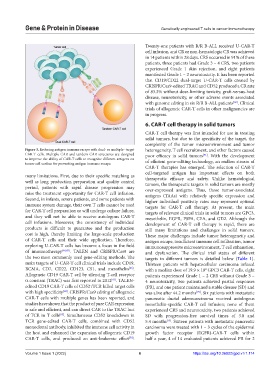
            Figure 3. Reducing antigen immune escape with dual- or multiple- target   heterogeneity, T cell recruitment, and other factors caused
            CAR-T cells. Multiple CAR and tandem CAR structures are designed   poor efficacy in solid tumors . With the development
                                                                                       [71]
            to improve the ability of CAR-T cells to recognize different antigens on   of efficient gene-editing technology, an endless stream of
            tumor cell surface for preventing antigen immune escape.
                                                               CAR-T  therapies  has  emerged.  The  selection  of  CAR-T
                                                               cell-targeted antigen has important effects on both
            many limitations. First, due to their specific matching as   therapeutic efficacy and safety. Unlike hematological
            well as long production preparation and quality control   tumors, the therapeutic targets in solid tumors are mostly
            period, patients with rapid disease progression may   over-expressed antigens. Thus, those tumor-associated
            miss the treatment opportunity for CAR-T cell infusion.   antigens (TAAs) with relatively specific expression and
            Second, in infants, severe patients, and some patients with   higher individual positivity rates may represent optimal
            immune system damage, their own T cells cannot be used   targets  for  CAR-T  cell  therapy. At  present, the  main
            for CAR-T cell preparation or will undergo culture failure,   targets of relevant clinical trials in solid tumors are GPC3,
            and they will not be able to receive autologous CAR-T   mesothelin, EGFR, PSPA, CEA, and GD2. Although the
            cell infusions. Moreover, the consistency of individual   development of CAR-T cell therapy is rapid, there are
            products is difficult to guarantee and the production   still many limitations and challenges in solid tumors.
            cost  is  high,  thereby  limiting  the  large-scale  production   These major challenges include tumor heterogeneity and
            of CAR-T cells and their wide application. Therefore,   antigen escape, insufficient immune cell infiltration, tumor
            exploring U-CAR-T cells has become a focus in the field   immunosuppressive microenvironment, T cell exhaustion,
            of immunotherapy [64,65] . TALEN and CRISPR/Cas9 are   and dysfunction. The clinical trial status of different
            the two most commonly used gene-editing methods. The   targets in different tumors is detailed below (Table  1).
            main targets of U-CAR-T cell clinical trials include CD19,   Thirteen patients with hepatocellular carcinoma infused
            BCMA, CD7, CD22, CD123, CS1, and mesothelin .      with a median dose of 19.9 × 10  GPC3 CAR-T cells, eight
                                                        [66]
                                                                                        8
            Allogeneic CD19 CAR-T cell by silencing T-cell receptor   patients experienced Grade 1 – 2 CRS without Grade 3 –
            α constant (TRAC) was first reported in 2012 . TALEN-  4 neurotoxicity, two patients achieved partial responses
                                                [67]
            edited CD19 CAR-T cells of CD52 /TCR killed target cells   (PR), and one patient maintained a stable disease (SD) and
                                       -
                                            -
            with high specificity . CRISPR/Cas9 editing of allogeneic   was alive after 44.2 months . Six patients with metastatic
                            [68]
                                                                                    [72]
            CAR-T cells with multiple genes has been reported, and   pancreatic ductal adenocarcinoma received autologous
            studies have shown that the product of pure CAR expression   mesothelin-specific CAR-T cell infusion; none of them
            is safe and efficient, and can direct CAR to the TRAC loci   experienced CRS and neurotoxicity, two patients achieved
            of TCR in T cells . Simultaneous CD52 knockdown in   SD  with  progression-free  survival  times  of  3.8  and
                          [69]
            TCR gene-edited CAR-T cells, combined with CD52    5.4 months . Sixteen patients with metastatic pancreatic
                                                                        [73]
            monoclonal antibody, inhibited the immune cell activity in   carcinoma were treated with 1 – 3 cycles of the epidermal
            the host and enhanced the expansion of allogeneic CD19   growth factor receptor (EGFR)-CAR-T cells within
            CAR-T cells, and produced an anti-leukemic effect .   half a year, 4 of 14 evaluated patients achieved PR for 2
                                                        [70]
            Volume 1 Issue 1 (2022)                         6                      https://doi.org/10.36922/gpd.v1i1.114

