


Page 125 - GPD-3-3
P. 125
Gene & Protein in Disease                                              Hydrogen sulfide ameliorates NAFLD


            A                                                  B


            C


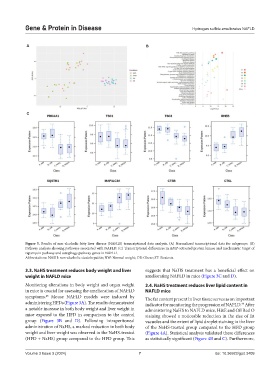
            Figure 5. Results of non-alcoholic fatty liver disease (NAFLD) transcriptional data analysis. (A) Normalized transcriptional data for subgroups. (B)
            Pathway analysis showing pathways associated with NAFLD. (C) Transcriptional differences in AMP-activated protein kinase and mechanistic target of
            rapamycin pathway and autophagy pathway genes in NAFLD.
            Abbreviations: NASH: non-alcoholic steatohepatitis; NW: Normal weight; OB: Obese; ST: Steatosis.

            3.3. NaHS treatment reduces body weight and liver   suggests that NaHS treatment has a beneficial effect on
            weight in NAFLD mice                               ameliorating NAFLD in mice (Figure 3C and D).
            Monitoring alterations in body weight and organ weight   3.4. NaHS treatment reduces liver lipid content in
            in mice is crucial for assessing the amelioration of NAFLD   NAFLD mice
            symptoms.  Mouse NAFLD models were induced by      The fat content present in liver tissue serves as an important
                    48
            administering HFDs (Figure 3A). The results demonstrated   indicator for monitoring the progression of NAFLD.  After
                                                                                                        49
            a notable increase in both body weight and liver weight in   administering NaHS to NAFLD mice, H&E and Oil Red O
            mice exposed to the HFD in comparison to the control   staining showed a noticeable reduction in the size of fat
            group (Figure  3B  and  D). Following intraperitoneal   vacuoles and the extent of lipid droplet staining in the liver
            administration of NaHS, a marked reduction in both body   of the NaHS-treated group compared to the HFD group
            weight and liver weight was observed in the NaHS-treated   (Figure 4A). Statistical analysis validated these differences
            (HFD + NaHS) group compared to the HFD group. This   as statistically significant (Figure 4B and C). Furthermore,


            Volume 3 Issue 3 (2024)                         7                               doi: 10.36922/gpd.3409

