


Page 45 - GPD-3-3
P. 45
Gene & Protein in Disease                                         Phage therapy for Mycobacterium infections


            comprehend the underlying mechanisms of resistance to   thereby confirming its ability to effectively kill the
            phage therapy to mitigate the occurrence of phage resistance.   bacterium. Furthermore, LysB shows potential as a viable
            Research has demonstrated that the removal of TPP results   therapeutic option for promptly decreasing the M. abscessus
            in resistance to phage attachment and subsequent infection.   burden in the lungs of individuals with cystic fibrosis.
            Transposon mutagenesis experiments indicate that the
            primary mechanism of phage resistance is the deletion of   6. The application of mycobacteriophage
            TPP. TPP is a type of glycolipid that is found within the   therapy in clinical settings
            cellular membrane, serving as a potential target for phage   Mycobacterial infections present a clinical challenge in
            recognition and attachment. TPP binds to mycolic acid to   treatment due to their inherent resistance to conventional
            form trehalolipid, which is considered to be one of the main   antibiotics. Mycobacteriosis presents a significant challenge,
            substances causing cell wall toxicity and a key factor in the   posing a threat to the health and well-being of numerous
            emergence of resistance in these bacteria. Bacteriophages   individuals,  including  those  with  compromised  immune
            have the potential to achieve autonomy from TPP through   systems, as well as animals, on an annual basis. The appearance
            a single amino acid substitution in their tail spike protein.   of  mycobacteria that are  resistant  to multiple  drugs  has
            Furthermore, the advancement of phage resistance can be   prompted numerous inquiries.  MDR-TB is characterized
                                                                                       65
            mitigated through the investigation and utilization of these   by the bacteria’s resistance to the antibiotics isoniazid and
            bacteriophages for therapeutic purposes. 62,63     rifampicin.  Surveys conducted between 2009 and 2016
                                                                        3
            5.4. Bactericidal activity of LysB against M. abscess  revealed a 20% rise in the prevalence of MDR-TB among
                                                               individuals with M. tuberculosis infection.  Research has
                                                                                                 66
            Mycobacteria are a subset of Gram-positive bacteria   indicated that M. tuberculosis possesses inherent resistance
            characterized by a unique cell wall structure. In contrast   to numerous antibiotics, potentially compromising the
            to other Gram-positive bacteria, their outermost cell wall   efficacy of these antibiotics against the pathogen.  The
                                                                                                        67
            layer consists of a lipid structure abundant in mycolic acid.   mycobacteriophage, as a selective microbicide, presents a
            Mycobacteriophage lyases are primarily composed of two   promising alternative therapy for mycobacterial infections,
            proteins, namely, cell wall lyase (lysin) and perforin (holin),   particularly in cases involving MDR strains. The capacity
            with LysA and LysB being the predominant forms of the   of mycobacteriophages to penetrate the hydrophobic
            former (Figure  2). The peptide chains of mycobacterial   structures of the cell wall and invade mycobacteria  suggests
                                                                                                     68
            peptidoglycan are degraded by LysA, whereas the linkage   their potential utility in the detection and management of
            between  mycobacterial  acid  and  the  peptidoglycan-  infections resulting from pathogenic mycobacteria.
            arabinogalactan complex is cleaved by LysB. Holin proteins
            play a crucial role in the precise control of bacterial lysis   In general, bacteriophages present numerous benefits,
            timing. The assistance of Holin proteins is necessary for   such as high specificity, adaptability, short development cycle,
            cell wall lyases to cleave the bacterial cell wall, as the lyases   low cost, diversity, abundance, lack of cross-resistance, and
            lack signal peptides. Hurst-Hess et al.  demonstrated the   customization. These advantages position bacteriophages as
                                          64
            efficient and prompt bactericidal activity of LysB, a protein   a promising alternative therapy, particularly in the context
            encoded by Mycobacteriophage, against  M. abscessus.   of the escalating issue of antibiotic resistance. Phage therapy
            Subsequently, they conducted  in vivo experiments using   introduces a novel treatment option for patients who do not
            mice to assess the efficacy of LysB against  M. abscessus,   respond to conventional antibiotic therapy or who display
                                                               high levels of resistance to it. Bacteriophages are generally
                                                               regarded as safe for human use and have been employed in
                                                               certain clinical scenarios (Figure 3). In recent years, there have
                                                               been numerous successful instances of mycobacteriophages
                                                               being utilized in the treatment of mycobacterial infections,
                                                               including those caused by  M. abscessus,  Mycobacteroides
                                                               chelonae, and M. tuberculosis.

                                                               6.1. Clinical application of bacteriophage of
                                                               M. abscess
                                                               Mycobacteria, which are classified as Gram-positive
                                                               bacteria, have the potential to induce a range of illnesses,
                                                               such as TB, osteomyelitis, arthritis, and soft-tissue
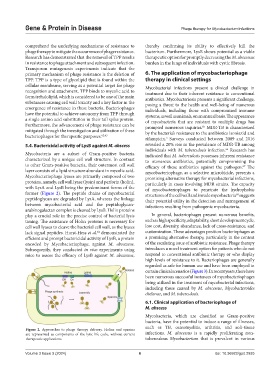
            Figure  2. Approaches to phage therapy delivery. Holins and spanins
            are represented as components of the lytic life cycle, without current   infections.  M. abscessus is a rapidly proliferating non-
            therapeutic applications                           tuberculous  Mycobacterium that is prevalent in various


            Volume 3 Issue 3 (2024)                         6                               doi: 10.36922/gpd.2935

