


Page 95 - GTM-3-3
P. 95
Global Translational Medicine                                                 SLE patient underwent PD


                         A                                  B


                         C                                  D


                         E                                  F


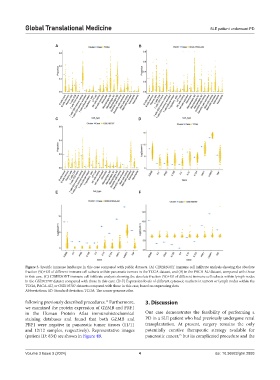
            Figure 3. Specific immune landscape in this case compared with public datasets. (A) CIBERSORT immune cell infiltrate analysis showing the absolute
            fraction (%)±SD of different immune cell subsets within pancreatic tumors in the TCGA dataset, and (B) in the PACA-AU dataset, compared with those
            in this case. (C) CIBERSORT immune cell infiltrate analysis showing the absolute fraction (%)±SD of different immune cell subsets within lymph nodes
            in the GSE103787 dataset compared with those in this case. (D-F) Expression levels of different cytotoxic markers in tumors or lymph nodes within the
            TCGA, PACA-AU, or GSE103787 datasets compared with those in this case, based on sequencing data.
            Abbreviations: SD: Standard deviation; TCGA: The cancer genome atlas.

            following previously described procedures.  Furthermore,   3. Discussion
                                              14
            we examined the protein expression of GZMB and PRF1
            in the Human Protein Atlas immunohistochemical     Our case demonstrates the feasibility of performing a
            staining databases and found that both GZMB and    PD in a SLE patient who had previously undergone renal
            PRF1 were negative in pancreatic tumor tissues (11/11   transplantation. At present, surgery remains the only
            and  12/12  samples,  respectively).  Representative  images   potentially curative therapeutic strategy available for
            (patient ID: 834) are shown in Figure 4B.          pancreatic cancer,  but its complicated procedure and the
                                                                             15


            Volume 3 Issue 3 (2024)                         4                               doi: 10.36922/gtm.2893

