


Page 383 - IJB-9-6
P. 383
International Journal of Bioprinting                               Biomimetic biofabrication of tumors volume


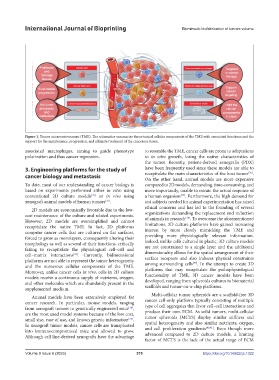
            Figure 1. Tumor microenvironment (TME). The schematics summarize the principal cellular components of the TME with associated functions and the
            support for the maintenance, progression, and ultimate treatment of the cancerous tissue.
            associated macrophages, aiming to guide phenotype   to resemble the TME, cancer cells are prone to adaptations
            polarization and thus cancer regression.           to  in  vitro growth, losing the native characteristics of
                                                               the tumor. Recently, patient-derived xenografts (PDX)
            3. Engineering platforms for the study of          have been frequently used since these models are able to
                                                                                                           [36]
            cancer biology and metastasis                      recapitulate the main characteristics of the host tumor .
                                                               On the other hand, animal models are more expensive
            To date, most of our understanding of cancer biology is   compared to 2D models, demanding, time-consuming, and
            based on experiments performed either  in vitro using   more importantly, unable to mimic the actual response of
            conventional 2D culture models  or  in vivo using   a human organism . Furthermore, the high demand for
                                        [31]
                                                                              [37]
            xenograft animal models of human tumors .          test subjects needed for animal experimentation has raised
                                              [32]
               2D models are economically favorable due to the low-  ethical concerns and has led to the founding of several
            cost maintenance of the culture and related experiments.   organizations demanding the replacement and reduction
                                                                                [38]
            However, 2D models are oversimplified and cannot   of animals in research . To overcome the aforementioned
            recapitulate the native TME. In fact, 2D platforms   limitations, 3D culture platforms have gained increasing
            comprise cancer cells that are cultured on flat surfaces,   interest by more closely mimicking the TME and
            forced to grow as monolayers, consequently altering their   providing  more physiologically  relevant  information.
            morphology as well as several of their functions, critically   Indeed, unlike cells cultured in plastic, 3D culture models
            failing to recapitulate the physiological cell–cell and    are not constrained to a single layer and  the additional
            cell–matrix interactions . Currently, bidimensional   dimensionality allows for the spatial arrangement of their
                                [33]
            platforms are not able to represent the tumor heterogeneity   surface receptors and also induces physical constraints
                                                                                   [39]
            and the numerous cellular components of the TME.   among surrounding cells . In the attempt to create 3D
            Moreover, unlike cancer cells in vivo, cells in 2D culture   platforms  that  may  recapitulate  the  pathophysiological
            models receive a continuous supply of nutrients, oxygen,   functionality of TME, 3D cancer models have been
            and other molecules which are abundantly present in the   developed, ranging from spheroids cultures to biomaterial
            supplemented medium.                               scaffolds and tumor-on-a-chip platforms.
               Animal models have been extensively employed for   Multi-cellular tumor spheroids are a scaffold-free 3D
            cancer research. In particular, mouse models, ranging   cancer cell-only platform typically consisting of multiple
            from xenograft tumors to genetically engineered mice ,   type of cell aggregates that favor cell–cell interactions and
                                                        [34]
            are the most used model systems because of the low cost,   produce their own ECM. As solid tumors, multi-cellular
            small size, ease of use, and known genetic information .   tumor spheroids (MCTS) display similar stiffness and
                                                        [35]
            In xenograft tumor models, cancer cells are transplanted   spatial heterogeneity and also similar nutrients, oxygen,
                                                                                         [40,41]
            into immunocompromised mice and allowed to grow.   and cell proliferation gradients  . Even though more
            Although cell line-derived xenografts have the advantage   advanced  compared  to  2D  culture  models,  a  limiting
                                                               factor  of  MCTS  is  the  lack  of  the  actual  range  of  ECM

            Volume 9 Issue 6 (2023)                        375                          https://doi.org/10.36922/ijb.1022

