


Page 94 - IMO-2-1
P. 94
Innovative Medicines & Omics                                       Economical method for titering viral vectors


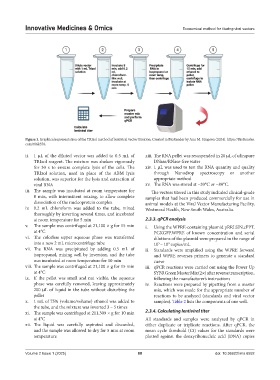
            Figure 1. Graphical representation of the TRIzol method of lentiviral vector titration. Created in BioRender by Ann M. Simpson (2024). https://BioRender.
            com/t86k558.
            ii.  1 µL of the diluted vector was added to 0.5 mL of   xiii. The RNA pellet was resuspended in 20 µL of ultrapure
               TRIzol reagent. The mixture was shaken vigorously   DNase/RNase-free water
               for 30 s  to  ensure  complete  lysis  of the  cells.  The   xiv.  1 µL was used to test the RNA quantity and quality
               TRIzol solution, used in place of the ABM lysis    through Nanodrop spectroscopy or another
               solution, was superior for the lysis and extraction of   appropriate method
               viral RNA                                       xv.  The RNA was stored at −20°C or −80°C.
            iii.  The sample was incubated at room temperature for   The vectors titered in this study included clinical-grade
               8  min,  with  intermittent  mixing,  to  allow  complete   samples that had been produced commercially for use in
               dissociation of the nucleoprotein complex       animal models at the Viral Vector Manufacturing Facility,
            iv.  0.2  mL  chloroform  was  added  to  the  tube,  mixed   Westmead Health, New South Wales, Australia.
               thoroughly by inverting several times, and incubated
               at room temperature for 5 min                   2.3.3. qPCR analysis
            v.  The sample was centrifuged at 21,100 × g for 15 min   i.   Using the WPRE-containing plasmid pRRLSIN.cPPT.
               at 4°C                                             PGKGFP.WPRE of known concentration and serial
            vi.  The colorless upper aqueous phase was transferred   dilutions of the plasmid were prepared in the range of
               into a new 2 mL microcentrifuge tube               10 – 10  copies/mL
                                                                    5
                                                                         9
            vii.  The  RNA  was  precipitated by  adding  0.5  mL  of   ii.  Standards were amplified using the WPRE forward
               isopropanol, mixing well by inversion, and the tube   and WPRE reverses primers to generate a standard
               was incubated at room temperature for 10 min       curve
            viii. The sample was centrifuged at 21,100 × g for 15 min   iii.  qPCR reactions were carried out using the Power Up
               at 4°C                                             SYBR Green Master Mix (2×) after reverse transcription,
            ix.  If the pellet was small and not visible, the aqueous   following the manufacturer’s instructions
               phase  was  carefully  removed,  leaving  approximately   iv.  Reactions were prepared by pipetting from a master
               200 µL of liquid in the tube without disturbing the   mix, which was made for the appropriate number of
               pellet                                             reactions to be analyzed (standards and viral vector
            x.  1 mL of 75% (volume/volume) ethanol was added to   samples). Table 2 lists the components of one well.
               the tube, and the mixture was inverted 3 – 5 times
            xi.  The sample was centrifuged at 211,309 × g for 10 min   2.3.4. Calculating lentiviral titer
               at 4°C                                          All  standards  and  samples  were  analyzed  by qPCR  in
            xii.  The liquid was carefully aspirated and discarded,   either duplicate or triplicate reactions. After qPCR, the
               and the sample was allowed to dry for 5 min at room   mean cycle threshold (Ct) values for the standards were
               temperature                                     plotted against the deoxyribonucleic acid (DNA) copies


            Volume 2 Issue 1 (2025)                         88                               doi: 10.36922/imo.6552

