


Page 59 - IMO-2-3
P. 59
Innovative Medicines & Omics                                              Biocompatibility of nanomaterials


              Magnesium, in particular, appears to play a supportive   scaffold systems are increasingly being functionalized
            role in modulating osteoblast responses and stimulating   with biologically active molecules. Among the most
            new bone matrix deposition. Its inclusion reflects a broader   promising are BMP-2 and VEGF, which are well known for
            trend toward ion-enhanced strategies for fine-tuning   promoting osteogenesis and angiogenesis, respectively.
                                                                                                            46
            scaffold performance. As highlighted in  Tables  1 and  2,   These signaling molecules are often embedded within
            nanomaterials used in these systems vary widely in their   biodegradable carriers—such as PLGA microparticles—
            biocompatibility and regenerative potential, emphasizing   which  facilitate  controlled,  localized  release  while
            the importance of careful material selection and design   preserving bioactivity over time. In parallel, gene delivery
            optimization for translational success.            strategies have gained significant traction. For example,

              In pursuit of improved therapeutic outcomes,     plasmid  DNA  encoding  VEGF  or  BMP-2  has  been
                                                               immobilized  within  CaP-based  scaffolds,  forming  gene-
                                                               activated matrices that stimulate site-specific expression
                                                               of regenerative signals. Although these approaches have
                                                               demonstrated considerable potential, challenges remain—
                                                               particularly with maintaining vector stability during
                                                               scaffold fabrication, ensuring effective gene transfection,
                                                               and avoiding unintended off-target effects.
                                                                 Additive manufacturing is also transforming the
                                                               landscape of scaffold development. In 2022, patient-
                                                               specific CaP-based craniofacial scaffolds achieved a
                                                               clinical success rate of over 95%, demonstrating both
                                                               feasibility and therapeutic promise.  Technologies such
                                                                                            47
                                                               as  fused  deposition  modeling and  stereolithography are
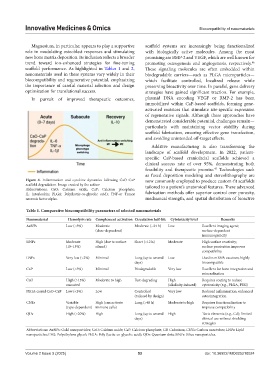
            Figure  4.  Inflammation  and  cytokine  dynamics  following  CaO–CaP   now commonly employed to produce custom-fit scaffolds
            scaffold degradation. Image created by the author.  tailored to a patient’s anatomical features. These advanced
            Abbreviations: CaO:  Calcium  oxide;  CaP:  Calcium  phosphate;
            IL: Interleukin; PLGA: Poly(lactic-co-glycolic acid); TNF-α: Tumor   fabrication methods offer superior control over porosity,
            necrosis factor alpha.                             mechanical strength, and spatial distribution of bioactive

            Table 1. Comparative biocompatibility parameters of selected nanomaterials

            Nanomaterial      Hemolysis rate  Complement activation Circulation half‑life  Cytotoxicity level  Remarks
            AuNPs            Low (<5%)    Moderate        Moderate (~24 h)  Low        Excellent imaging agent;
                                          (dose-dependent)                             surface-dependent
                                                                                       immunogenicity
            SiNPs            Moderate     High (due to surface   Short (<12 h)  Moderate  High surface reactivity;
                             (10–15%)     silanol)                                     surface passivation improves
                                                                                       compatibility
            LNPs             Very low (<2%)  Minimal      Long (up to several  Low     Used in mRNA vaccines; highly
                                                          days)                        biocompatible
            CaP              Low (<5%)    Minimal         Biodegradable  Very low      Excellent for bone integration and
                                                                                       mineralization
            CaO              High (>15%)   Moderate to high  Fast-degrading  High      Requires coating to reduce
                             uncoated                                    (alkalinity-induced)  cytotoxicity (e.g., PLGA, PEG)
            PLGA-coated CaO–CaP  Low (<3%)  Low           Controlled     Very low      Reduced inflammation; enhanced
                                                          (tailored by design)         osteointegration
            CNTs             Variable     High (can activate   Long (>48 h)  Moderate to high  Requires functionalization to
                             (type-dependent) immune cells)                            improve compatibility
            QDs              High (>20%)  High            Long (up to several  High    Toxic elements (e.g., Cd); limited
                                                          days)                        clinical use without shielding
                                                                                       strategies
            Abbreviations: AuNPs: Gold nanoparticles; CaO: Calcium oxide; CaP: Calcium phosphate; Cd: Cadmium; CNTs: Carbon nanotubes; LNPs: Lipid
            nanoparticles; PEG: Polyethylene glycol; PLGA: Poly (lactic-co-glycolic acid); QDs: Quantum dots; SiNPs: Silica nanoparticles.


            Volume 2 Issue 3 (2025)                         53                          doi: 10.36922/IMO025210024

