


Page 39 - JCTR-10-1
P. 39
Gonda et al. | Journal of Clinical and Translational Research 2024; 10(1): 33-51   35


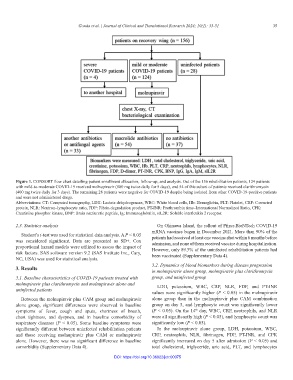
        Figure 1. CONSORT flow chart detailing patient enrollment allocation, follow-up, and analysis. Out of the 156 rehabilitation patients, 124 patients
        with mild-to-moderate COVID-19 received molnupiravir (800 mg twice daily for 5 days), and 54 of this subset of patients received clarithromycin
        (400 mg twice daily for 3 days). The remaining 28 patients were negative for COVID-19 despite being isolated from other COVID-19-positive patients
        and were not administered drugs.
        Abbreviations: CT: Computed tomography, LDH: Lactate dehydrogenase, WBC: White blood cells, Hb: Hemoglobin, PLT: Platelet, CRP: C-reacted
        protein, NLR: Neutron–lymphocyte ratio, FDP: Fibrin degradation product, PT-INR: Prothrombin time–International Normalized Ratio, CPK:
        Creatinine phosphor kinase, BNP: Brain natriuretic peptide, Ig; Immunoglobulin, sIL2R: Soluble interleukin 2 receptor.

        2.3. Statistics analysis                                   On Okinawa Island, the rollout of Pfizer-BioNTech COVID-19
                                                                mRNA vaccines began in December 2021. More than 90% of the
          Student’s t-test was used for statistical data analysis. A P < 0.05
        was  considered  significant.  Data  are  presented  as  SD±.  Cox   patients had received at least one vaccine shot within 6 months before
                                                                admission, and none of them received vaccine during hospitalization.
        proportional hazard models were utilized to assess the impact of   However, only 89.3% of the uninfected rehabilitation patients had
        risk factors. SAS software version 9.2 (SAS Institute Inc., Cary,   been vaccinated (Supplementary Data 4).
        NC, USA) was used for statistical analysis.

        3. Results                                              3.2. Dynamics of blood biomarkers during disease progression
                                                                in molnupiravir alone group, molnupiravir plus clarithromycin
        3.1. Baseline characteristics of COVID-19 patients treated with   group, and uninfected group
        molnupiravir plus clarithromycin and molnupiravir alone and   LDH,  potassium,  WBC,  CRP,  NLR,  FDP,  and  PT-INR
        uninfected patients
                                                                values were significantly higher (P < 0.05) in the molnupiravir
          Between the molnupiravir plus CAM group and molnupiravir   alone  group  than  in  the  molnupiravir  plus  CAM  combination
        alone  group,  significant  differences  were  observed  in  baseline   group on day 5, and lymphocyte count was significantly lower
                                                                                   th
        symptoms  of  fever,  cough  and  sputa,  shortness  of  breath,   (P < 0.05). On the 14  day, WBC, CRP, neutrophils, and NLR
        chest  tightness,  and  dyspnea,  and  in  baseline  comorbidity  of   were all significantly high (P < 0.05), and lymphocyte count was
        respiratory diseases (P < 0.05). Some baseline symptoms were   significantly low (P < 0.05).
        significantly different between uninfected rehabilitation patients   In  the  molnupiravir  alone  group,  LDH,  potassium,  WBC,
        and those receiving  molnupiravir  plus CAM or molnupiravir   CRP,  neutrophils,  NLR,  fibrinogen,  FDP,  PT-INR,  and  CPK
        alone. However, there was no significant difference in baseline   significantly increased on day 5 after admission (P < 0.05) and
        comorbidity (Supplementary Data 4).                     total  cholesterol,  triglyceride,  uric  acid,  PLT,  and  lymphocytes
                                                  DOI: https://doi.org/10.36922/jctr.00075

