


Page 21 - JCTR-10-3
P. 21
Shegena et al. | Journal of Clinical and Translational Research 2024; 10(3): 191-200   195

                             40   37
                             35
                            Number of patients  25  23  18  11  9                             10
                             30
                             20
                             15
                             10
                              5                            8    6    5    5     4    3    2
                              0                   HIV       DM   PTB                       SLE
                                   Hypertension  CKD/ESRD/AKI  Anemia  CAP  COPD  Malaria  Ischemic stroke  Asthma  Others


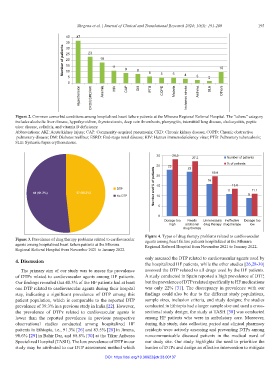
        Figure 2. Common comorbid conditions among hospitalized heart failure patients at the Mbarara Regional Referral Hospital. The “others” category
        includes alcoholic liver disease, hypothyroidism, thyrotoxicosis, deep vein thrombosis, pharyngitis, interstitial lung disease, cholecystitis, peptic
        ulcer disease, cellulitis, and vitamin D deficiency.
        Abbreviations: AKI: Acute kidney injury; CAP: Community-acquired pneumonia; CKD: Chronic kidney disease; COPD: Chronic obstructive
         pulmonary disease; DM: Diabetes mellitus; ESRD: End-stage renal disease; HIV: Human immunodeficiency virus; PTB: Pulmonary tuberculosis;
        SLE: Systemic lupus erythematosus.


                                                                    30    28.3
                                                                                   27.2           Number of patients
                                                                                                  % of patients
                                                                    25  23       22        19.8
                                                                   Number and % of patients   20  16  13.6


                                                                    15
                                                   DTP                                            11        11.1
               61 (51.7%)         57 (48.3%)
                                                   No DTP           10                                     9


                                                                    0 5
                                                                       Dosage too  Needs  Unnecessary Ineffective  Dosage too
                                                                         high   additional  drug therapy drug therapy  low
                                                                               drug therapy
                                                               Figure 4. Types of drug therapy problems related to cardiovascular
        Figure 3. Prevalence of drug therapy problems related to cardiovascular   agents among heart failure patients hospitalized at the Mbarara
        agents among hospitalized heart failure patients at the Mbarara   Regional Referral Hospital from November 2021 to January 2022.
        Regional Referral Hospital from November 2021 to January 2022.
                                                               only assessed the DTP related to cardiovascular agents used by
        4. Discussion
                                                               the hospitalized HF patients, while the other studies [26,28-30]
          The primary aim of our study was to assess the prevalence   assessed the DTP related to all drugs used by the HF patients.
        of DTPs related to cardiovascular agents among HF patients.   A study conducted in Spain reported a high prevalence of DTP,
        Our findings revealed that 48.3% of the HF patients had at least   but the prevalence of DTPs related specifically to HF medications
        one DTP related to cardiovascular agents during their hospital   was only 22% [31]. The  discrepancy  in  prevalence with  our
        stay,  indicating  a  significant  prevalence  of  DTP  among  this   findings could also be due to the different study populations,
        patient population, which is comparable to the reported DTP   sample sizes, inclusion criteria, and study designs; the studies
        prevalence of 39.3% in a previous study in India [22]. However,   conducted in Ethiopia had a larger sample size and used a cross-
        the prevalence  of DTPs related  to cardiovascular  agents is   sectional study design; the study at TASH [30] was conducted
        lower than  the  reported  prevalence  in previous prospective   among HF patients who were in ambulatory care. Moreover,
        observational  studies conducted among hospitalized  HF   during this study, data collection period and clinical pharmacy
        patients in Ethiopia, i.e., 91.3% [26] and 83.5% [28] in Jimma,   residents were actively assessing and preventing DTPs among
        90.6% [29] in Bahir Dar, and 68.8% [30] at the Tikur Anbessa   noncommunicable  diseased  patients  in  the  medical  ward of
        Specialized Hospital (TASH). The low prevalence of DTP in our   our study site. Our study highlights the need to prioritize the
        study may be attributed to our DTP assessment method which   burden of DTPs and design an effective intervention to mitigate

                                              DOI: https://doi.org/10.36922/jctr.23.00137

