


Page 10 - JCTR-11-2
P. 10
Journal of Clinical and
            Translational Research                                                        US-mediated drug delivery


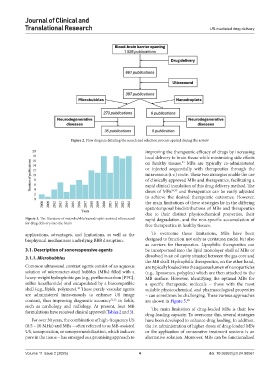
                               Figure 2. Flow diagram detailing the search and selection process applied during the review

                                                               improving the therapeutic efficacy of drugs by increasing
                                                               local delivery to brain tissue while minimizing side effects
                                                               on healthy tissues.  MBs are typically co-administered
                                                                              33
                                                               or injected sequentially with therapeutics through the
                                                               intravenous (i.v.) route. These two strategies enable the use
                                                               of clinically approved MBs and therapeutics, facilitating a
                                                               rapid clinical translation of this drug delivery method. The
                                                               doses of MBs 34,35  and therapeutics can be easily adjusted
                                                               to achieve  the desired therapeutic  outcomes.  However,
                                                               the main limitations of these strategies lie in the differing
                                                               spatiotemporal biodistributions of MBs and therapeutics
                                                               due to their distinct physicochemical properties, their
            Figure 3. The literature of microbubble/nanodroplet-assisted ultrasound   rapid degradation, and the non-specific accumulation of
            for drug delivery into the brain                   free therapeutics in healthy tissues.

            applications, advantages, and limitations, as well as the   To overcome these limitations, MBs have been
            biophysical mechanisms underlying BBB disruption.  designed to function not only as cavitation nuclei but also
                                                               as carriers for  therapeutics. Lipophilic therapeutics  can
            3.1. Description of sonoresponsive agents          be incorporated into the lipid monolayer shell of MBs or
            3.1.1. Microbubbles                                dissolved in an oil cavity situated between the gas core and
                                                               the MB shell. Hydrophilic therapeutics, on the other hand,
            Common ultrasound contrast agents consist of an aqueous   are typically loaded into the aqueous lumen of nanoparticles
            solution of micrometer-sized bubbles (MBs) filled with a   (e.g., liposomes, polyplex) which are then attached to the
            heavy-weight hydrophobic gas (e.g., perfluorocarbon [PFC],   MB surface. However, identifying the optimal MBs for
            sulfur hexafluoride) and encapsulated by a biocompatible   a specific therapeutic molecule – those with the most
            shell (e.g., lipids, polymers).  These purely vascular agents   suitable physicochemical and pharmacological properties
                                  30
            are administered intravenously to enhance US image   – can sometimes be challenging. These various approaches
            contrast, thus improving diagnostic accuracy 31,32  in fields,   are shown in Figure 5. 28
            such as cardiology and radiology. At present, four MB   The main limitation of drug-loaded MBs is their low
            formulations have received clinical approval (Tables 2 and 3).
                                                               drug-loading capacity. To overcome this, several strategies
              For over 30 years, the combination of high-frequency US   have been developed to enhance drug loading. In addition,
            (0.5 – 10 MHz) and MBs – often referred to as MB-assisted   the i.v. administration of higher doses of drug-loaded MBs
            US, sonoporation, or sonopermeabilization, which induces   or the application of consecutive treatment sessions is an
            pore in the tissue – has emerged as a promising approach to   alternative solution. Moreover, MBs can be functionalized


            Volume 11 Issue 2 (2025)                        4                             doi: 10.36922/jctr.24.00061

