


Page 11 - JCTR-11-2
P. 11
Journal of Clinical and
            Translational Research                                                        US-mediated drug delivery


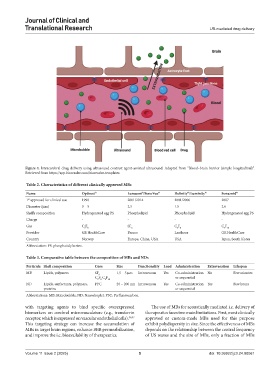
            Figure 4. Intracerebral drug delivery using ultrasound contrast agent-assisted ultrasound. Adapted from “Blood–brain barrier (simple longitudinal)”.
            Retrieved from https://app.biorender.com/biorender-templates.

            Table 2. Characteristics of different clinically approved MBs

            Name                    Optison ®          Lumason /SonoVue ®  Definity /Luminity ®  Sonazoid ®
                                                                                 ®
                                                             ®
            1  approved for clinical use  1998         2001/2014           2001/2006           2007
             st
            Diameter (µm)           3 – 5              2.5                 1.5                 2.6
            Shell’s composition     Hydrogenated egg PS  Phospholipid      Phospholipid        Hydrogenated egg PS
            Charge                  -                  -                   -                   -
            Gas                     C F                SF                  C F                 C F
                                     3 8                 6                  3 8                 4 10
            Provider                GE HealthCare      Bracco              Lantheus            GE HealthCare
            Country                 Norway             Europe, China, USA  USA                 Japan, South Korea
            Abbreviation: PS: phosphatidylserine.

            Table 3. Comparative table between the composition of MBs and NDs
            Particule Shell composition  Core      Size     Functionality  Load  Administration  Extravasation  Lifespan
            MB      Lipids, polymers     SF 6      1.5 – 5 µm  Intravenous  Yes  Co-administration  No  Few minutes
                                         C F  C F                           or sequential
                                          3 8  4 10
            ND      Lipids, surfactants, polymers,   PFC  20 – 200 nm Intravenous  Yes  Co-administration  Yes  Few hours
                    proteins                                                or sequential
            Abbreviations: MB: Microbubble; ND: Nanodroplet: PFC: Perfluorocarbon.

            with targeting agents to bind specific overexpressed   The use of MBs for acoustically mediated i.c. delivery of
            biomarkers on cerebral microvasculature (e.g., transferrin   therapeutics faces two main limitations. First, most clinically
            receptor, which is expressed on vascular endothelial cells). 36,37    approved or custom-made MBs used for this purpose
            This targeting strategy can increase the accumulation of   exhibit polydispersity in size. Since the effectiveness of MBs
            MBs in target brain regions, enhance BBB permeabilization,   depends on the relationship between the central frequency
            and improve the i.c. bioavailability of therapeutics.  of US waves and the size of MBs, only a fraction of MBs


            Volume 11 Issue 2 (2025)                        5                             doi: 10.36922/jctr.24.00061

