


Page 116 - MI-2-2
P. 116
Microbes & Immunity                                               Physiological and cognitive effects of PASC


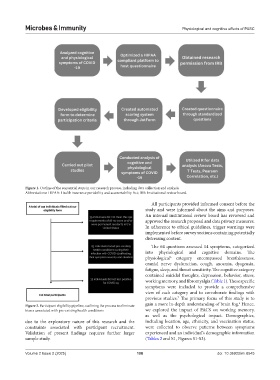
            Figure 1. Outline of the sequential steps in our research process, including data collection and analysis
            Abbreviations: HIPAA: Health insurance portability and accountability Act; IRB: Institutional review board.

                                                                 All participants provided informed consent before the
                                                               study and were informed about the aims and purposes.
                                                               An internal institutional review board has reviewed and
                                                               approved the research proposal and data privacy measures.
                                                               In adherence to ethical guidelines, trigger warnings were
                                                               implemented before survey sections containing potentially
                                                               distressing content.

                                                                 The 64 questions assessed 14 symptoms, categorized
                                                               into  physiological and cognitive domains. The
                                                               physiological  category encompassed breathlessness,
                                                                         6
                                                               cranial  nerve  dysfunction,  cough,  anosmia,  dysgeusia,
                                                               fatigue, sleep, and throat sensitivity. The cognitive category
                                                               contained suicidal thoughts, depression, behavior, stress,
                                                               working memory, and fibromyalgia (Table 1). These specific
                                                               symptoms were included to provide a comprehensive
                                                               view of each category and to corroborate findings with
                                                               previous studies.  The primary focus of this study is to
                                                                             7
                                                                                                       6
            Figure 2. Participant eligibility pipeline, outlining the process to eliminate   gain a more in-depth understanding of brain fog.  Hence,
            biases associated with pre-existing health conditions  we explored the impact of PACS on working memory,
                                                               as well as the psychological impact. Demographics,
            due to the exploratory nature of this research and the   including location, age, ethnicity, and vaccination status,
            constraints associated with participant recruitment.   were collected to observe patterns between symptoms
            Validation of present findings requires further larger   experienced and an individual’s demographic information
            sample study.                                      (Tables 2 and S1, Figures S1-S3).


            Volume 2 Issue 2 (2025)                        108                               doi: 10.36922/mi.8545

