


Page 34 - OR-1-2
P. 34
A                                                  C


                B
                                                                     D


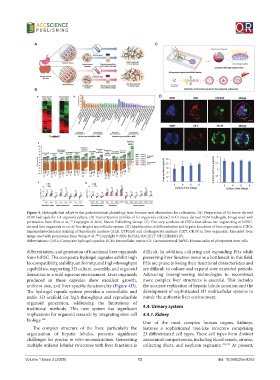
            Figure 4. Hydrogels that adapt to the gastrointestinal physiology have become new alternatives for cultivation. (A) Preparation of GI tissue-derived
            ECM hydrogels for GI organoid culture. (B) Transcriptomic profiles of GI organoids cultured in GI tissue-derived ECM hydrogels. Image used with
            permission from Kim et al.,  Copyright © 2022, Nature Publishing Group. (C) One-step synthesis of CHCs that allows the engineering of hiPSC-
                               112
            derived liver organoids in an oil-free droplet microfluidic system. (D) Identification of differentiation and hepatic functions of liver organoids in CHCs.
            Immunohistochemical staining of hepatocyte markers (ALB, CYP3A4) and cholangiocyte markers (CK7, CK19) in liver organoids. Reprinted from
            image used with permission from Wang et al.,  Copyright © 2020, ROYAL SOCIETY OF CHEMISTRY.
                                          118
            Abbreviations: CHCs: Composite hydrogel capsules; ECM: Extracellular matrix; GI: Gastrointestinal; hiPSC: Human induced pluripotent stem cells.
            differentiation, and generation of functional liver organoids   difficult. In addition, culturing and expanding PHs while
            from hiPSC. The composite hydrogel capsules exhibit high   preserving liver function remains a bottleneck in this field.
            biocompatibility, stability, uniformity, and high-throughput   PHs are prone to losing their functional characteristics and
            capabilities, supporting 3D culture, assembly, and organoid   are difficult to culture and expand over extended periods.
            formation in a mild aqueous environment. Liver organoids   Advancing bioengineering technologies  to reconstruct
            produced in these capsules show excellent growth,   more complex liver structures is essential. This includes
            uniform size, and liver-specific functionality (Figure 4D).   the accurate replication of hepatic lobule zonation and the
            The hydrogel capsule system provides a controllable and   development of sophisticated 3D multicellular systems to
            stable  3D scaffold for high-throughput and reproducible   mimic the authentic liver environment.
            organoid generation, addressing the limitations of
            traditional methods. This new system has significant   4.4. Urinary system
            implications for organoid research by integrating stem cell   4.4.1. Kidney
            biology. 118
                                                              One of the most complex human organs, kidneys,
               The complex structure of the liver, particularly the   features a sophisticated tree-like structure comprising
            organization of hepatic lobules, presents significant   23 differentiated cell types. These cell types form distinct
            challenges for precise in vitro reconstruction. Generating   anatomical compartments, including blood vessels, stroma,
            multiple ordered lobular structures with liver functions is   collecting ducts, and nephron segments. 119,120  At present,


            Volume 1 Issue 2 (2025)                         13                                doi: 10.36922/or.8262

