


Page 156 - OR-1-3
P. 156
have also been explored: Chen et al.  leveraged cartilage   well  as animal models—exhibit  some limitations  which
                                          78
            organoids by precisely engineering pro-/anti-angiogenic   make it difficult to meet the needs of comprehensive
            microenvironments to achieve osteochondral defect repair   disease research. In addition, since rotator cuff tears
            (Figure 5).                                       predominantly occur at the tendon-bone interface and have
                                                              a high rate of postoperative re-tear, there is an urgent need
            3. Construction of rotator cuff organoids         for an innovative and effective strategy to achieve better
            Similar to most diseases, existing in vitro models for rotator   restoration of rotator cuff injuries. Based on this, multiple
            cuff disorders—primarily conventional cell cultures as   rotator cuff regeneration strategies are under constant
                                                              exploration, including stem cell-based therapies (MSCs,
             Table 5. Construction of cartilage organoids     ADSCs), scaffold materials (collagen matrices, nano/
             Cell source  Inducing factor  Matrix   References  micro-fibrous  matrices),  PRP,  and  physical  stimulation
                                                                          Most of the strategies focus on developing
                                                              modalities.
                                                                       79,80
                                       material
             BMSCs      TGF-β3,        RGD-SF-DNA     71      structural materials that recapitulate the  properties  of
                                                              natural tissues to improve the healing,  while substantial
                                                                                             81
                        dexamethasone,   hydrogel
                        ascorbic Acid  microsphere            evidence has demonstrated that these regeneration
             Chondrocytes  TGF-β1, IGF-1,  Collagen   72      approaches have achieved some improvements, but some
                                       hydrogel               significant challenges  persist in this domain. Given the
             BMSCs      CTCC-Y002 medium  N/A         73      structural complexity of the rotator cuff, the creation of
             iPSCs      TGF-β1, Ascorbic   Matrigel   75      multi-tissue units represents a promising approach to
                        Acid, BMP2, GDF5                      achieving good rotator cuff repair.
             Chondrocytes  411D-250 medium  Hydrogel  76        Rotator cuff organoids, integrating skeletal muscle,
             Notes: CTCC-Y002 is a commercial chondrogenic differentiation   tendon, cartilage, and bone structures, are one of the
             medium, whereas 411D-250 is a commercial chondrogenic   types of bone-tendon-muscle multitissue structures that
             differentiation medium.                          may meet the needs of rotator cuff repair. However, given
             Abbreviations: BMP2: Bone morphogenetic protein 2; BMSCs: Bone   its  complexity,  strategies  for  the  development  of  rotator
             marrow mesenchymal stem cells; GDF5: Growth differentiation factor   cuff organoids are not yet mature. In the following, we
             5; IGF-1: Insulin-like growth factor 1; iPSCs: Induced pluripotent
             stem cells; RGD: Arginine-glycine-aspartic acid; SF: Silk fibroin;   will introduce the construction methodology for rotator
             TGF-β3: Transforming growth factor beta 3.       cuff organoids from three critical dimensions: cell source,


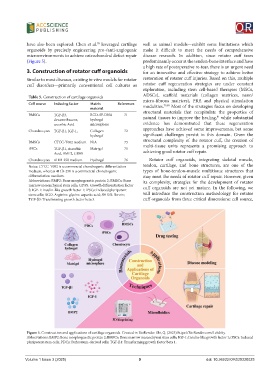
            Figure 5. Construction and applications of cartilage organoids. Created in BioRender. Shi, Q. (2025) https://BioRender.com/1c8ds9y.
            Abbreviations: BMP2: Bone morphogenetic protein 2; BMSCs: Bone marrow mesenchymal stem cells; IGF-1: Insulin-like growth factor 1; iPSCs: Induced
            pluripotent stem cells; PDCs: Periosteum-derived cells; TGF-β1: Transforming growth factor beta 1.


            Volume 1 Issue 3 (2025)                         9                            doi: 10.36922/OR025320025

