


Page 155 - OR-1-3
P. 155
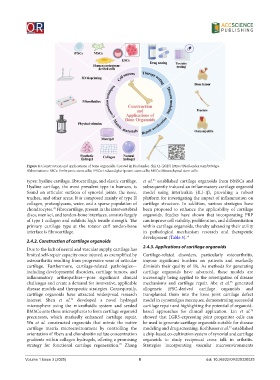
Figure 4. Construction and applications of bone organoids. Created in BioRender. Shi, Q. (2025) https://BioRender.com/bt6t6ga.
            Abbreviations: ESCs: Embryonic stem cells; iPSCs: Induced pluripotent stem cells; MSCs: Mesenchymal stem cells.
            types: hyaline cartilage, fibrocartilage, and elastic cartilage.   et  al.  established cartilage organoids from BMSCs and
                                                                  73
            Hyaline cartilage, the most prevalent type in humans, is   subsequently induced an inflammatory cartilage organoid
            found on articular surfaces of synovial joints, the nose,   model using interleukin (IL)-1β, providing a robust
            trachea, and other areas. It is composed mainly of type II   platform for investigating the impact of inflammation on
            collagen, proteoglycans, water, and a sparse population of   cartilage structure. In addition, various strategies have
            chondrocytes.  Fibrocartilage, present in the intervertebral   been proposed to enhance the applicability of cartilage
                        70
            discs, menisci, and tendon-bone interfaces, consists largely   organoids. Studies have shown that incorporating PRP
            of type I collagen and exhibits high tensile strength. The   can improve cell viability, proliferation, and differentiation
            primary cartilage type at the rotator cuff tendon-bone   within cartilage organoids, thereby advancing their utility
            interface is fibrocartilage.                      in  pathological  mechanism  research  and  therapeutic
                                                              development (Table 5). 74
            2.4.2. Construction of cartilage organoids
            Due to the lack of neural and vascular supply, cartilage has   2.4.3. Applications of cartilage organoids
            limited self-repair capacity once injured, as exemplified by   Cartilage-related  disorders,  particularly  osteoarthritis,
            osteoarthritis resulting from progressive wear of articular   impose significant burdens on patients and markedly
            cartilage. Furthermore, cartilage-related pathologies—  diminish their quality of life. As methods for generating
            including developmental disorders, cartilage tumors, and   cartilage organoids have advanced, these models are
            inflammatory  arthropathies—pose  significant  clinical   increasingly being applied to the investigation of disease
            challenges and create a demand for innovative, applicable   mechanisms and cartilage repair. Abe  et al.  generated
                                                                                                   75
            disease models and therapeutic strategies. Consequently,   allogeneic  iPSC-derived  cartilage  organoids  and
            cartilage organoids have attracted widespread research   transplanted them into the knee joint cartilage defect
            interest. Shen  et al.  developed a novel hydrogel   model in cynomolgus macaques, demonstrating successful
                               71
            microsphere  using  the  microfluidic system  and seeded   cartilage repair and highlighting the potential of organoid-
            BMSCs onto these microspheres to form cartilage organoid   based  approaches  for  clinical  application.  Lin  et al.
                                                                                                            76
            precursors,  which  markedly  enhanced  cartilage  repair.   showed that LGR5-expressing joint progenitor cells can
            Wu  et al. constructed organoids that mimic the native   be used to generate cartilage organoids suitable for disease
            cartilage matrix microenvironment by controlling the   modeling and drug screening. Rothbauer et al.  established
                                                                                                  77
            orientation of fibers and chondroitin sulfate concentration   a chip-based co-cultivation system of synovial and cartilage
            gradients within collagen hydrogels, offering a promising   organoids to study reciprocal cross talk in arthritis.
            strategy for functional cartilage regeneration.  Zhang   Strategies incorporating vascular microenvironments
                                                    72

            Volume 1 Issue 3 (2025)                         8                            doi: 10.36922/OR025320025

