


Page 30 - TD-3-3
P. 30
Tumor Discovery                                                Adjuvant immunotherapy in high-risk melanoma


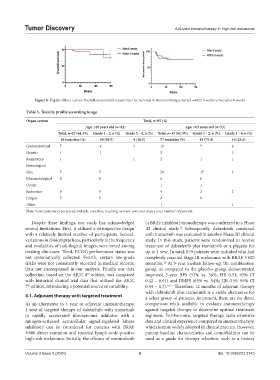
                Figure 6. Kaplan–Meier curves: Overall survival and recurrence-free survival in immunotherapy started within 6 weeks versus after 6 weeks

            Table 3. Toxicity profile according to age
            Organ system                                      Total, n=95 (%)
                                     Age: ≤65 years old (n=42)                  Age: >65 years old (n=53)
                          Total, n=27 (64.3%)  Grade 1 – 2, n (%)  Grade 3 – 4, n (%)  Total, n=33 (62.3%)  Grade 1 – 2, n (%)  Grade 3 – 4, n (%)
                           38 toxicities (%)  34 (89.5)   4 (10.5)   57 toxicities (%)  43 (75.4)   14 (24.6)
            Gastrointestinal    7                4             3       11                   7            4
            Hepatic         1                    1                     3                                 3
            Respiratory     1                                  1       2                    1            1
            Neurological
            Skin            7                   7                      20                   17           3
            Rheumatological    8                8                      6                    6
            Ocular                                                     1                    1
            Endocrine       9                   9                      4                    2            2
            Fatigue         5                   5                      9                    9
            Other                                                      1                                 1
            Note: Some patients experienced multiple toxicities, resulting in more toxicities than a total number of patients.

              Despite these findings, our study has acknowledged   (a BRAF inhibitor) monotherapy was confirmed in a Phase
            several limitations. First, it utilized a retrospective design   III  clinical  study.   Subsequently, dabrafenib  combined
                                                                             15
            with a relatively limited number of participants. Second,   with trametinib was evaluated in another Phase III clinical
            variations in clinical practices, particularly in the frequency   study. In this study, patients were randomized to receive
            and modalities of radiological images, were noted among   treatment of dabrafenib plus trametinib or a placebo for
            treating clinicians. Third, ECOG performance status was   up to 1 year. In total, 870 patients were included who had
            not systematically collected. Fourth, certain low-grade   completely resected Stage III melanoma with BRAF V600
            irAEs were not consistently recorded in medical records,   mutation.  At 5-year median follow-up, the combination
                                                                       16
            thus not encompassed in our analysis. Finally, our data   group, as compared to the placebo group, demonstrated
            collection, based on the AJCC 8  edition, was compared   improved  5-year RFS (52%  vs. 36%; HR  0.51; 95% CI
                                      th
            with historical clinical trial data that utilized the AJCC   0.42 – 0.61) and DMFS (65% vs. 54%; HR 0.55; 95% CI
            7  edition, introducing a potential source of variability.  0.44 – 0.7). 16,17  Therefore, 12 months of adjuvant therapy
             th
                                                               with dabrafenib plus trametinib is a viable alternative for
            4.1. Adjuvant therapy with targeted treatment      a select group of patients. At present, there are no direct
            As an alternative to 1  year of adjuvant immunotherapy,   comparison trials available to evaluate immunotherapy
            1 year of targeted therapy of dabrafenib with trametinib   against targeted therapy to determine optimal treatment
            (a  rapidly accelerated fibrosarcoma inhibitor with a   regimens.  Furthermore,  targeted  therapy  lacks  extensive
            mitogen-activated extracellular signal-regulated kinase   data and clinical experience compared to immunotherapy,
            inhibitor) can be considered for patients with BRAF   which is more widely adopted in clinical practice. However,
            V600 driver mutation and resected lymph-node-positive   patient baseline characteristics and comorbidities can be
            high-risk melanoma. Initially, the efficacy of vemurafenib   used as a guide for therapy selection, such as a history


            Volume 3 Issue 3 (2024)                         6                                 doi: 10.36922/td.3143

