


Page 37 - AIH-2-2
P. 37
Artificial Intelligence in Health                                         New drug discovery in the AI era


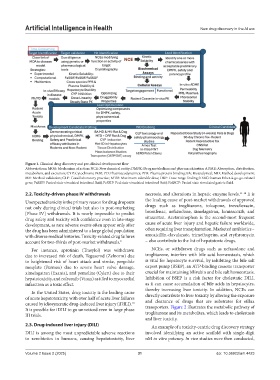
            Figure 1. Classical drug discovery and pre-clinical development flow
            Abbreviations: MOA: Mechanism of action; NCE: New chemical entity; DMPK: Drug metabolism and pharmacokinetics; ADME: Absorption, distribution,
            metabolism, and excretion; CYP: Cytochrome P450; PD: Pharmacodynamics; PPB: Plasma protein binding; BA: Bioanalytical; MD: Method development;
            MV: Method validation; GLP: Good laboratory practice; MTD: Maximum tolerable dose; DRF: Dose range finding; hERG: human Ether-à-go-go-related
            gene; FaSSIF: Fasted state simulated intestinal fluid; FeSSIF: Fed state simulated intestinal fluid; FaSSGF: Fasted state simulated gastric fluid.

            2.2. Toxicity-driven phase IV withdrawals          necrosis, and alterations in hepatic enzyme levels. 11-14  It is
            Unexpected toxicity is the primary reason for drug dropouts   the leading cause of post-market withdrawals of approved
            not only during clinical trials but also in post-marketing   drugs  such  as  troglitazone,  tolcapone,  trovafloxacin,
            [Phase IV] withdrawals. It is nearly impossible to predict   bromfenac, nefazodone, ximelagatran, lumiracoxib, and
            drug safety and toxicity with confidence even in late-stage   sitaxentan. Acetaminophen is the second-most frequent
            development, as rare adverse events often appear only after   cause of acute liver injury and hepatic failure worldwide,
            the drug has been administered to a large global population   often requiring liver transplantation. Marketed antibiotics –
            with diverse medical histories. Toxicity-related drug failures   amoxicillin-clavulanate, trimethoprim, and erythromycin
            account for two-thirds of post-market withdrawals. 9  – also contribute to the list of hepatotoxic drugs.
              For instance, aprotinin (Trasylol) was withdrawn   NCEs, or withdrawn drugs such as nefazodone and
            due to increased risk of death, Tegaserod (Zelnorm) due   troglitazone, interfere with bile acid homeostasis, which
            to heightened risk of heart attack and stroke, pergolide   is vital for hepatocyte survival, by inhibiting the bile salt
            mesylate (Permax) due to severe heart valve damage,   export pump (BSEP), an ATP-binding cassette transporter
            ximelagatran (Exanta), and pemoline (Cylert) due to their   crucial for maintaining bilirubin and bile salt homeostasis.
            hepatotoxicity, and rofecoxib (Vioxx) as it led to myocardial   Inhibition of BSEP is a risk factor for cholestatic DILI,
            infarction as a toxic effect.                      as it can cause accumulation of bile acids in hepatocytes,
                                                               thereby  increasing  liver  toxicity.  In  addition,  NCEs  can
              In the United States, drug toxicity is the leading cause
            of acute hepatotoxicity, with over half of acute liver failures   directly contribute to liver toxicity by altering the exposure
                                                               and clearance of drugs that are substrates for efflux
            caused by idiosyncratic drug-induced liver injury (iDILI).
                                                         10
            It is possible for iDILI to go unnoticed even in large phase   transporters. Figure 2 illustrates the metabolic pathway of
            III trials.                                        troglitazone and its metabolites, which leads to cholestasis
                                                               and liver toxicity.
            2.3. Drug-induced liver injury (DILI)                An example of a toxicity-centric drug discovery strategy
            DILI is among the most unpredictable adverse reactions   involved identifying an active scaffold with single-digit
            to  xenobiotics  in humans,  causing  hepatotoxicity,  liver   nM in vitro potency. In vivo studies were then conducted,


            Volume 2 Issue 2 (2025)                         31                               doi: 10.36922/aih.4423

