


Page 23 - AN-2-4
P. 23
Advanced Neurology                                          Futile recanalization of acute basilar artery occlusion


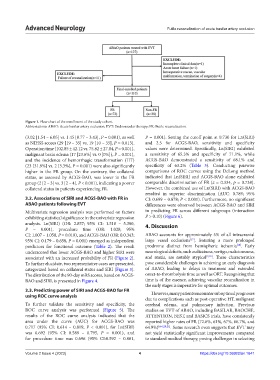
            Figure 1. Flow chart of the enrollment of the study cohort.
            Abbreviations: ABAO: Acute basilar artery occlusion; EVT: Endovascular therapy; FR: Futile recanalization.

            (3.02 [1.54 – 6.05] vs. 1.45 [0.77 – 3.43], P = 0.001), as well   P = 0.001). Setting the cutoff point at 0.730 for Ln(SIRI)
            as NIHSS scores (29 [19 – 35] vs. 19 [10 – 35], P = 0.013).   and 2.5  for ACGS-BAO, sensitivity and specificity
            Operation time (102.85 ± 42.12 vs. 75.82 ± 27.84, P = 0.001),   values were determined. Specifically, Ln(SIRI) exhibited
            malignant brain edema (17 [23.6%] vs. 0 [0%]), P = 0.001),   a  sensitivity  of  65.3%  and specificity  of  71.1%,  while
            and the incidence of  hemorrhagic  transformation  (HT)   ACGS-BAO demonstrated a sensitivity of 68.1% and
            (23 [31.9%] vs. 2 [5.3%], P = 0.001) were also significantly   specificity of 63.2% (Table 3). Conducting pairwise
            higher in the FR group. On the contrary, the collateral   comparisons of ROC curves using the DeLong method
            status, as assessed by ACGS-BAO, was lower in the FR   indicated that Ln(SIRI) and ACGS-BAO alone exhibited
            group (2 [2 – 3] vs. 3 [2 – 4], P < 0.001), indicating a poorer   comparable discrimination of FR (z = 0.334, p = 0.738).
            collateral status in patients experiencing FR.     However, the combined use of Ln(SIRI) with ACGS-BAO
                                                               resulted in superior discrimination (AUC:  0.789; 95%
            3.2. Associations of SIRI and ACGS-BAO with FR in   CI: 0.699 – 0.878; P < 0.001). Furthermore, no significant
            ABAO patients following EVT                        differences were observed between ACGS-BAO and SIRI

            Multivariate regression analysis was performed on factors   in predicting FR across different subgroups (interaction
            exhibiting statistical significance in the univariate regression   P > 0.10) (Figure 6).
            analysis. Ln(SIRI) (OR: 2.857; 95% CI:  1.518  –  5.380,   4. Discussion
            P  =  0.001), procedure time (OR:  1.028; 95%
            CI: 1.007 – 1.050, P = 0.010), and ACGS-BAO (OR: 0.0.343;   ABAO accounts for approximately 5% of all intracranial
                                                                                  [17]
            95% CI: 0.179 – 0.658, P = 0.001) emerged as independent   large  vessel  occlusions ,  featuring  a more  prolonged
                                                                                                      [18]
            predictors  for  functional  outcome  (Table  2).  The  result   prodrome distinct from hemispheric ischemia . Early
            underscored that lower ACGS-BAO and higher SIRI were   neurological deficits, such as dizziness, vertigo, maliciousness,
            associated with an increased probability of FR (Figure 2).   and ataxia, are notably atypical [2,19] . These characteristics
            To further elucidate, two representative cases are presented,   pose considerable challenges in achieving an early diagnosis
            categorized based on collateral status and SIRI (Figure 3).   of ABAO, leading to delays in treatment and extended
            The distribution of the 90-day mRS scores, based on ACGS-  onset-to-thrombolysis time as well as ORT. Recognizing that
            BAO and SIRI, is presented in Figure 4.            time is of the essence, achieving vascular recanalization in
                                                               the early stages is imperative for optimal outcomes.
            3.3. Predicting power of SIRI and ACGS-BAO for FR
            using ROC curve analysis                             However, many patients encounter suboptimal prognoses
                                                               due to complications such as post-operative HT, malignant
            To further validate the sensitivity and specificity, the   cerebral  edema,  and  pulmonary  infection.  Previous
            ROC curve analysis was performed (Figure  5). The   studies on EVT of ABAO, including BASILAR, BAOCHE,
            results of the ROC curve analysis indicated that the   ATTENTION, BEST, and BASICS trials, have consistently
            area under the curve (AUC) for ACGS-BAO was        reported higher rates of FR (72.6%, 61%, 67%, 66.7%, and
            0.717  (95%  CI:  0.614 – 0.819,  P  <  0.001), for Ln(SIRI)   64.9%) [4-6,20,21] . Some research even suggests that EVT may
            was 0.692  (95% CI: 0.589 –  0.795,  P  =  0.001), and   not yield statistically significant improvements compared
            for procedure time was 0.696  (95%  CI:0.592  –  0.801,   to standard medical therapy, posing challenges in selecting


            Volume 2 Issue 4 (2023)                         4                         https://doi.org/10.36922/an.1641

