


Page 62 - DP-2-3
P. 62
Design+                                                                 Design chatbot using activity theory


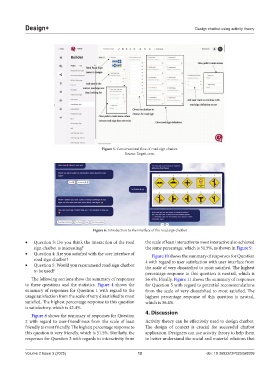
                                            Figure 5. Conversational flow of road sign chatbot
                                                      Source: Engati.com.


                                         Figure 6. Introduction to the interface of the road sign chatbot


            •   Question 3: Do you think the interaction of the road   the scale of least interactive to most interactive also achieved
               sign chatbot is interesting?                    the same percentage, which is 51.5%, as shown in Figure 9.
            •   Question 4: Are you satisfied with the user interface of   Figure 10 shows the summary of responses for Question
               road sign chatbot?                              4 with regard to user satisfaction with user interface from
            •   Question 5: Would you recommend road sign chatbot   the scale of very dissatisfied to most satisfied. The highest
               to be used?
                                                               percentage response to this question is neutral, which is
              The following sections show the summary of responses   36.4%. Finally, Figure 11 shows the summary of responses
            to these questions and the statistics.  Figure 4 shows the   for Question 5 with regard to potential recommendations
            summary of responses for Question 1 with regard to the   from the scale of very dissatisfied to most satisfied. The
            usage satisfaction from the scale of very dissatisfied to most   highest percentage response of this question is neutral,
            satisfied. The highest percentage response to this question   which is 36.4%.
            is satisfactory, which is 42.4%.
                                                               4. Discussion
              Figure 8 shows the summary of responses for Question
            2 with regard to user-friendliness from the scale of least   Activity theory can be effectively used to design chatbot.
            friendly to most friendly. The highest percentage response to   The  design  of context is  crucial  for successful  chatbot
            this question is very friendly, which is 51.5%. Similarly, the   application. Designers can use activity theory to help them
            responses for Question 3 with regards to interactivity from   to better understand the social and material relations that


            Volume 2 Issue 3 (2025)                         12                           doi: 10.36922/DP025060009

