


Page 63 - DP-2-3
P. 63
Design+                                                                 Design chatbot using activity theory


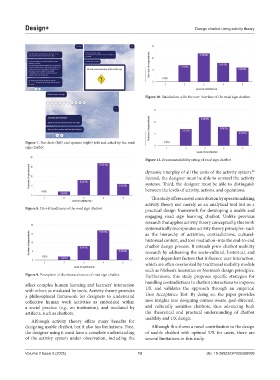
                                                               Figure 10. Satisfaction with the user interface of the road sign chatbot


            Figure 7. Fun facts (left) and quizzes (right) told and asked by the road
            sign chatbot


                                                               Figure 11. Recommendability rating of road sign chatbot

                                                               dynamic interplay of all the units of the activity system.
                                                                                                            32
                                                               Second, the designer must be able to unravel the activity
                                                               systems. Third, the designer must be able to distinguish
                                                               between the levels of activity, actions, and operations.
                                                                 This study offers a novel contribution by operationalizing
                                                               activity theory not merely as an analytical tool but as a
            Figure 8. User-friendliness of the road sign chatbot  practical design framework for developing a usable and
                                                               engaging road sign learning chatbot. Unlike previous
                                                               research that applies activity theory conceptually, this work
                                                               systematically incorporates activity theory principles–such
                                                               as the hierarchy of activities, contradictions, cultural-
                                                               historical context, and tool mediation–into the end-to-end
                                                               chatbot design process. It extends prior chatbot usability
                                                               research by addressing the socio-cultural, historical, and
                                                               context-dependent factors that influence user interaction,
                                                               which are often overlooked by traditional usability models
                                                               such as Nielsen’s heuristics or Norman’s design principles.
            Figure 9. Perception of the interactiveness of road sign chatbot  Furthermore, this study proposes specific strategies for
                                                               handling contradictions in chatbot interactions to improve
            affect complex human learning and learners’ interaction
            with others as mediated by tools. Activity theory provides   UX and validates the approach through an empirical
            a philosophical framework for designers to understand   User Acceptance Test. By doing so, the paper provides
            collective human work activities as embedded within   new insights into designing context-aware, goal-directed,
            a social practice (e.g., an institution), and mediated by   and culturally sensitive chatbots, thus advancing both
            artifacts, such as chatbots.                       the theoretical and practical understanding of chatbot
                                                               usability and UX design.
              Although activity theory offers many benefits for
            designing usable chatbot, but it also has limitations. First,   Although this shows a novel contribution to the design
            the designer using it must have a complete understanding   of usable chatbot with optimal UX for users, there are
            of the activity system under observation, including the   several limitations in this study.


            Volume 2 Issue 3 (2025)                         13                           doi: 10.36922/DP025060009

