


Page 110 - EJMO-9-2
P. 110
Eurasian Journal of
            Medicine and Oncology                                                           UGVAE of breast lesions


                         A                     B                         C


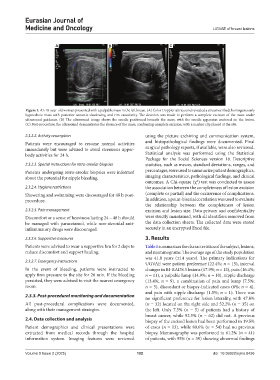
            Figure 1. An 18-year-old woman presented with a palpable mass in the left breast. (A) Color Doppler ultrasound revealed a circumscribed, homogeneously
            hypoechoic mass with posterior acoustic shadowing and rim vascularity. The decision was made to perform a complete excision of the mass under
            ultrasound guidance. (B) The ultrasound image shows the needle positioned beneath the mass, with the needle apparatus centered on the lesion.
            (C) Post-procedure, the ultrasound demonstrates the absence of the mass, confirming complete excision, with a marker clip placed at the site.

            2.3.2.2. Activity resumption                       using  the  picture  archiving  and  communication  system,
            Patients  were  encouraged  to resume normal  activities   and histopathological findings were documented. Final
            immediately but were advised to avoid strenuous upper-  surgical pathology reports, if available, were also reviewed.
            body activities for 24 h.                          Statistical analysis was performed using the Statistical
                                                               Package for the Social Sciences version  18. Descriptive
            2.3.2.3. Special instructions for retro-areolar biopsies  statistics, such as means, standard deviations, ranges, and
            Patients undergoing retro-areolar biopsies were informed   percentages, were used to summarize patient demographics,
            about the potential for nipple bleeding.           imaging characteristics, pathological findings, and clinical
                                                               outcomes. A Chi-square (χ ) test was conducted to assess
                                                                                     2
            2.3.2.4. Hygiene restrictions                      the association between the completeness of lesion excision
            Showering and swimming were discouraged for 48 h post-  (complete or partial) and the occurrence of complications.
            procedure.                                         In addition, a point-biserial correlation was used to evaluate
                                                               the relationship between the completeness of lesion
            2.3.2.5. Pain management                           excision and lesion size. Data privacy and confidentiality
            Discomfort or a sense of heaviness lasting 24 – 48 h should   were strictly maintained, with all identifiers removed from
            be managed with paracetamol, while non-steroidal anti-  the data collection sheets. The collected data were stored
            inflammatory drugs were discouraged.               securely in an encrypted Excel file.

            2.3.2.6. Supportive measures                       3. Results
            Patients were advised to wear a supportive bra for 2 days to   Table 1 summarizes the characteristics of the subject, lesions,
            reduce discomfort and support healing.             and mammograms. The average age of the study population
                                                               was 41.8  years (±14  years). The primary indications for
            2.3.2.7. Emergency instructions
                                                               UGVAE were patient preference (22.4%; n = 15), interval
            In the event of bleeding, patients were instructed to   changes in BI-RADS 3 lesions (17.9%; n = 12), pain (16.4%;
            apply firm pressure to the site for 20 min. If the bleeding   n = 11), a palpable lump (14.9%; n = 10), nipple discharge
            persisted, they were advised to visit the nearest emergency   (13.4%;  n = 9), a combination of pain and lump (7.5%;
            room.                                              n = 5), discordant or biopsy-indicated cases (6%; n = 4),
                                                               and pain with nipple discharge (1.5%; n = 1). There was
            2.3.3. Post-procedural monitoring and documentation  no significant preference for lesion laterality, with 47.8%
            All post-procedural complications were documented,   (n = 32) located on the right side and 52.2% (n = 35) on
            along with their management strategies.            the left. Only 7.5% (n = 5) of patients had a history of
                                                               breast cancer, while 92.5% (n = 62) did not. A previous
            2.4. Data collection and analysis                  biopsy of the excised lesion had been performed in 19.5%
            Patient demographics and clinical presentations were   of cases (n = 13), while 80.6% (n = 54) had no previous
            extracted from medical records through the hospital   biopsy. Mammography was performed in 61.2% (n = 41)
            information system. Imaging features were reviewed   of patients, with 95% (n = 39) showing abnormal findings


            Volume 9 Issue 2 (2025)                        102                              doi: 10.36922/ejmo.8436

