


Page 198 - EJMO-9-3
P. 198
Eurasian Journal of
            Medicine and Oncology                                                  Medication therapy based on HbA1c


            Table 4. Cardiovascular medications used in the study groups  of HbA1c during the second observation. This non-
                                                               parametric measure was selected due to the non-linear
            Medication               HbA1c level   HbA1c level   relationship between medication dosage and glycemic
                                      ≤8% (%)     ≥8% (%)
            ACE inhibitors              18.9        7.1        response. The model achieved strong performance,
                                                               with a correlation coefficient of 0.826 (p=2.3 × 10 ). To
                                                                                                        -22
            Angiotensin II receptor blockers  37.8  58.9       understand the importance of each feature used in the
            Beta-blockers               90.5        92.9       model, all features were normalized before training. The
            Mineralocorticoid receptor   68.9       51.8       description of the model is presented in Table 8. The root
            antagonists                                        mean square error of the model on the test set was 1.172.
            Calcium channel blockers    44.6        48.2
                                                                 In addition, we found that patients with higher
            Thiazide diuretics          9.5         16.1       HbA1c  levels  (≥8%)  were  generally  younger  and had  a
            Loop diuretics              71.6        46.4       longer duration of diabetes and IHD. These patients also
            Antiplatelet agents         100         100        required more aggressive antihyperglycemic therapy,
            Statins                     75.7        87.5       including higher usage of metformin and insulin. The use
            Sacubitril/valsartan        28.4        10.7       of cardiovascular medications varied significantly between
            Ivabradine                  2.7         8.9        the groups, with higher usage of ACE inhibitors and statins
                                                               in patients with higher HbA1c levels.
            Abbreviations: ACE: Angiotensin-converting enzyme; HbA1c: Glycated
            hemoglobin.
                                                               4. Discussion
                   A               B                           The study revealed that patients with higher HbA1c levels
                                                               (≥8%) were generally younger and were more likely to be
                                                               female. This observation is consistent with related research
                                                               indicating that younger patients with T2DM often struggle
                                                               with  glycemic  control  due  to  various  factors,  including
                                                               lifestyle, adherence to treatment, and metabolic differences.
                                                               Gale and Gillespie  discussed the impact of gender on
                                                                              12
                                                               diabetes management, noting that women may have a
                                                               higher risk of poor glycemic control due to hormonal
                                                               fluctuations and other physiological factors. However, we
                                                               hypothesized that the primary contributing factor is the
                                                               difference in life expectancy between men (72.1  years)
                   C                                           and women (76.6 years) in Uzbekistan. The average age of
                                                               women reaching the target levels was 69.2 years, whereas
                                                               it was 65 years for men. The average age of women with
                                                               an HbA1c level ≥8% was 66.7  years, and 58.4  years for
                                                               men. Thus, the younger age in the second group is largely
                                                               attributed  to  men  with  lower  life  expectancy.  Failure
                                                               to reach target levels poses a greater risk, with impaired
                                                               survival being a key contributing factor to this outcome.
                                                                 The longer duration of diabetes and IHD in patients
                                                               with higher HbA1c levels suggests that disease duration
                                                               significantly  impacts  glycemic  control.  The  Diabetes
                                                               Control and Complications Trial demonstrated that
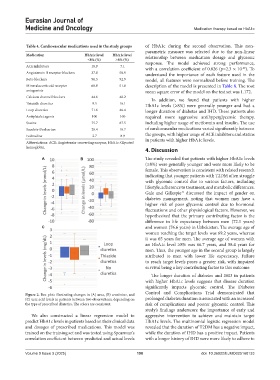
            Figure 2. Box plots illustrating changes in (A) urea, (B) creatinine, and
            (C) uric acid levels in patients between two observations, depending on   prolonged diabetes duration is associated with an increased
            the type of prescribed diuretics. The colors are consistent.  risk of complications and poorer glycemic control. This
                                                               study’s findings underscore the importance of early and
              We also constructed a linear regression model to   aggressive intervention to achieve and maintain target
            predict HbA1c levels in patients based on their clinical data   HbA1c levels. The multinomial logistic regression model
            and dosages of prescribed medications. This model was   revealed that the duration of T2DM has a negative impact,
            trained on the training set and was tested using Spearman’s   while the duration of IHD has a positive impact. Patients
            correlation coefficient between predicted and actual levels   with a longer history of IHD were more likely to adhere to


            Volume 9 Issue 3 (2025)                        190                         doi: 10.36922/EJMO025160133

