


Page 157 - GHES-2-1
P. 157
Global Health Econ Sustain                                              Total sugar consumption Philippines


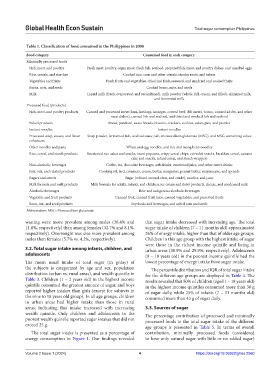
            Table 1. Classification of food consumed in the Philippines in 2008
            Food category                                     Consumed food in each category
            Minimally processed foods
             Fish, meat, and poultry  Fresh meat, poultry, organ meat, fresh fish, seafood, prepared fish, meat, and poultry dishes, and unsalted eggs
             Rice, cereals, and starches              Cooked rice, corn and other cereals, starchy roots, and tubers
             Vegetables and fruits            Fresh fruits and vegetables, dried and fresh seaweed, and sundried and cooked fruits
             Beans, nuts, and seeds                            Cooked beans, nuts, and seeds
             Milk                     Liquid milk (fresh, evaporated, and recombined), milk powder (whole, full-cream, and filled), skimmed milk,
                                                                   and fermented milk
            Processed food (products)
             Fish, meat, and poultry products  Canned and processed meat (ham, hotdogs, sausages, corned beef, deli meats, tocino, canned adobo, and other
                                                meat dishes), canned fish and seafood, and dried and smoked fish and seafood
             Baked products                    Bread, pandesal, sweet breads, biscuits, crackers, cookies, cakes, pies, and pastries
             Instant noodles                                        Instant noodles
             Processed soup, sauces, and flavor   Soup powder, fermented fish, seafood sauce, salt, monosodium glutamate (MSG), and MSG-containing cubes
             enhancers
             Other noodles and pasta                   Wheat and egg noodles, and rice and mung bean noodles
             Rice, cereal, and starch products  Sweetened rice cakes and snacks, sweet popcorn, crispy cereal chips, extruded snacks, breakfast cereal, cassava
                                                         cake and snacks, infant cereal, and starch wrappers
             Non-alcoholic beverages          Coffee, tea, chocolate beverages, soft drinks, sweetened juice, and other sweet drinks
             Fats, oils, and related products  Cooking oil, lard, creamers, cream, butter, margarine, peanut butter, mayonnaise, and spreads
             Sugars and sweets                        Sugar (refined, second-class, and crude), candies, and jams
             Milk formula and milk products  Milk formula for adults, infants, and children, ice cream and dairy products, cheese, and condensed milk
             Alcoholic beverages                            Beer and indigenous alcoholic beverages
             Vegetable and fruit products         Canned fruit, canned fruit juice, canned vegetables, and preserved fruits
             Bean, nut, and seed products                Soy foods and beverages, and salted nuts and seeds
            Abbreviation: MSG: Monosodium glutamate.

            wasting were more prevalent among males (36.4% and   that sugar intake decreased with increasing age. The total
            11.8%, respectively) than among females (32.7% and 8.1%,   sugar intake of children (7 – 11 months old) approximated
            respectively). Overweight was also more prevalent among   26% of energy intake, higher than that of older age groups.
            males than females (5.7% vs. 4.2%, respectively).  Children in this age group with the highest intake of sugar
                                                               were those in the richest income quintile and living in
            3.2. Total sugar intake among infants, children, and   urban areas (30.9% and 29.9%, respectively). Adolescents
            adolescents                                        (9 – 18 years old) in the poorest income quintile had the
            The mean usual intake of total  sugar (in g/day) of   lowest percentage of energy intake from sugar intake.
            the subjects is categorized by age and sex, population   The percentile distribution and IQR of total sugar intake
            distribution (urban vs. rural areas), and wealth quintile in   for the different age groups are displayed in Table 4. The
            Table 3. Children (1 – 2 years old) in the highest income   results revealed that 50% of children (aged 1 – 18 years old)
            quintile consumed the greatest amount of sugar, and boys   in the highest income quintiles consumed more than 30 g
            reported higher intakes than girls (except for subjects in   of sugar daily, while 25% of infants (7 – 11 months old)
            the nine to 18 years old group). In all age groups, children   consumed more than 43 g of sugar daily.
            in urban areas had higher intake than those in rural
            areas, indicating that intake increased with increasing   3.3. Sources of sugar
            wealth quintile. Only children and adolescents in the   The percentage contribution of processed and minimally
            poorest wealth quintile reported sugar intakes that did not   processed foods to the total sugar intake of the different
            exceed 25 g.                                       age groups is presented in  Table 5. In terms of overall
              The total sugar intake is presented as a percentage of   contribution, minimally processed foods (considered
            energy consumption in  Figure  1. Our findings revealed   to have only natural sugar with little or no added sugar)


            Volume 2 Issue 1 (2024)                         4                        https://doi.org/10.36922/ghes.2060

