


Page 224 - GHES-3-3
P. 224
Global Health Economics and
            Sustainability
                                                                       COVID-19 vaccination decisions and mandate impact


                                                               Table 4. Vaccination requirements and impact on
                                                               employment status and conditions
                                                               Question               Options   n    Percentage
                                                               Terminated or laid off due to   Yes  133/166  80.1
                                                               the decision to not receive the   No  17/166  10.2
                                                               COVID-19 vaccine (first or
                                                               subsequent doses)?   Prefer not to   5/166  3
                                                                                    answer
                                                                                    Total      155/166  93.4
                                                                                    respondents
                                                                                    No response  11/166  7
                                                               Subjected to disciplinary   Yes  70/166  42.2
                                                               measures other than
            Figure 2. Physical and mental health self-rating.   layoffs (e.g., accusations of   No  62/166  37.3
            Note: Data expressed as n, %.                      professional misconduct,   Prefer not to   8/166  5
                                                               reports to licensing colleges,   answer
                                                               temporary suspension of pay,   Other  15/166  9
                                                               exclusion from pension plan,
                                                               and withdrawal of professional   No response  11/166  7
                                                               license).


                                                               options included: testing, remote work, educational training,
                                                               and proof of natural immunity). Nearly half of the respondents
                                                               (73/166, 44%) requested, but did not receive an exemption,
                                                               while over one-fourth of the respondents (45/166, 27.1%)
                                                               reported that they did not request an exemption because
                                                               they were not eligible or felt intimidated or discouraged by
                                                               the rejection of other HCWs’ requests. When asked if their
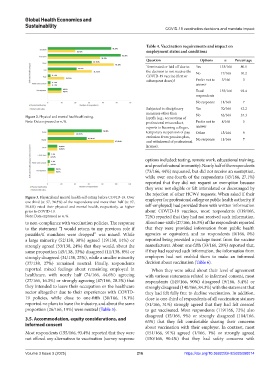
            Figure 3. Physical and mental health self-rating before COVID-19. Over   employer (or professional college or public health authority, if
            one-third (n: 57, 34.3%) of the respondents and more than half (n: 97,
            58.4%) rated their physical and mental health, respectively, as higher   self-employed) had provided them with written information
            prior to COVID-19.                                 about COVID-19 vaccines, most respondents (119/166,
            Note: Data expressed as n, %.                      72%) reported that they had not received such information.
            to non-compliance with vaccination policies. The response   About one-sixth (27/166, 16.3%) of the respondents reported
            to the statement “I would return to my previous role if   that they were provided information from public health
            possible/if  mandates were  dropped”  was  mixed.  While   agencies or equivalent, and no respondents (0/166, 0%)
            a large minority (52/138, 38%) agreed (19/138, 14%) or   reported being provided a package insert from the vaccine
            strongly agreed (33/138, 24%) that they would, about the   manufacturer. About one-fifth (33/166, 20%) reported that,
            same proportion (45/138, 33%) disagreed (11/138, 8%) or   if they had received such information, the information from
            strongly disagreed (34/138, 25%), while a smaller minority   employers had  not  enabled  them  to  make  an  informed
            (37/138, 27%) remained neutral. Finally, respondents   decision about vaccination (Table 6).
            reported mixed feelings  about remaining employed in   When they were asked about their level of agreement
            healthcare, with nearly half (74/166, 44.6%) agreeing   with various statements related to informed consent, most
            (27/166, 16.3%) or strongly agreeing (47/166, 28.3%) that   respondents (149/166, 90%) disagreed (9/166, 5.4%) or
            they intended to leave their occupation or the healthcare   strongly disagreed (140/166, 84.3%) with the statement that
            sector altogether due to their experiences with COVID-  they had felt fully free to decline vaccination. In addition,
            19 policies, while close to one-fifth (30/166, 18.1%)   close to one-third of respondents of all vaccination statuses
            reported no plans to leave the industry, and about the same   (51/166, 31%) strongly agreed that they had felt coerced
            proportion (26/166, 19%) were neutral (Table 5).   to get vaccinated. Most respondents (119/166, 72%) also
                                                               disagreed (15/166, 9%) or strongly disagreed (104/166,
            3.5. Accommodation, equity considerations, and     63%)  that  they  felt  comfortable  sharing  their  concerns
            informed consent
                                                               about vaccination with their employer. In contrast, most
            Most respondents (155/166, 93.4%) reported that they were   (151/166, 91%) agreed (1/166, 1%) or strongly agreed
            not offered any alternatives to vaccination (survey response   (150/166, 90.4%) that they had safety concerns with


            Volume 3 Issue 3 (2025)                        216                 https://doi.org/10.36922/GHES025080014

