


Page 226 - GHES-3-3
P. 226
Global Health Economics and
            Sustainability
                                                                       COVID-19 vaccination decisions and mandate impact


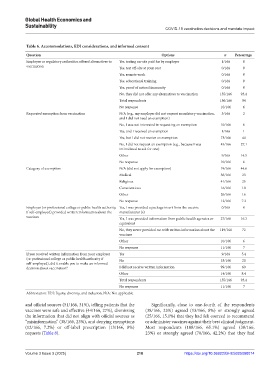
            Table 6. Accommodations, EDI considerations, and informed consent
            Question                                                  Options                   n    Percentage
            Employer or regulatory authorities offered alternatives to   Yes, testing on-site paid for by employer  1/166  8
            vaccination                             Yes, test off-site at your cost            0/166    0
                                                    Yes, remote work                           0/166    0
                                                    Yes, educational training                  0/166    0
                                                    Yes, proof of natural immunity             0/166    0
                                                    No, they did not offer any alternatives to vaccination  155/166  93.4
                                                    Total respondents                          156/166  94
                                                    No response                                10/166   6
            Requested exemption from vaccination    N/A (e.g., my employer did not request mandatory vaccination,   3/166  2
                                                    and I did not need an exemption)
                                                    No, I was not interested in requesting an exemption  10/166  6
                                                    Yes, and I received an exemption           1/166    1
                                                    Yes, but I did not receive an exemption    73/166   44
                                                    No, I did not request an exemption (e.g., because I was   45/166  27.1
                                                    intimidated to ask for one)
                                                    Other                                      9/166   14.5
                                                    No response                                10/166   6
            Category of exemption                   N/A (did not apply for exemption)          74/166  44.6
                                                    Medical                                    38/166   23
                                                    Religious                                  41/166   25
                                                    Conscientious                              16/166   10
                                                    Other                                      26/166   16
                                                    No response                                12/166   7.2
            Employer (or professional college or public health authority,  Yes, I was provided a package insert from the vaccine   0/166  0
            if self-employed) provided written information about the   manufacturer (s)
            vaccines                                Yes, I was provided information from public health agencies or   27/166  16.3
                                                    equivalent
                                                    No, they never provided me with written information about the   119/166  72
                                                    vaccines
                                                    Other                                      10/166   6
                                                    No response                                11/166   7
            If you received written information from your employer   Yes                       9/166    5.4
            (or professional college or public health authority if   No                        33/166   20
            self-employed), did it enable you to make an informed
            decision about vaccination?             I did not receive written information      99/166   60
                                                    Other                                      14/166   8.4
                                                    Total respondents                          155/166  93.4
                                                    No response                                11/166   7
            Abbreviation: EDI: Equity, diversity, and inclusion; N/A: Not applicable.

            and official sources (51/166, 31%), telling patients that the   Significantly, close to one-fourth of the respondents
            vaccines were safe and effective (44/166, 27%), dismissing   (38/166, 23%) agreed (13/166, 8%) or strongly agreed
            the information that did not align with official sources as   (25/166, 15.1%) that they had felt coerced to recommend
            “misinformation” (38/166, 23%), and denying exemptions   or administer vaccines against their best clinical judgment.
            (12/166, 7.2%) or off-label prescription (13/166, 8%)   Most respondents (108/166, 65.1%) agreed (38/166,
            requests (Table 8).                                23%)  or  strongly  agreed  (70/166,  42.2%)  that  they  had


            Volume 3 Issue 3 (2025)                        218                 https://doi.org/10.36922/GHES025080014

