


Page 95 - GPD-3-3
P. 95
Gene & Protein in Disease                                              Perineural invasion in prostate cancer


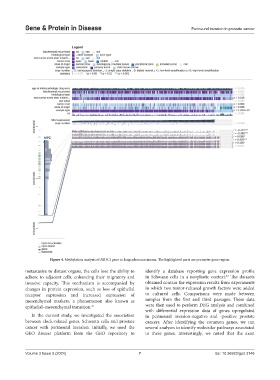
                      Figure 4. Methylation analysis of NR3C1 gene in lung adenocarcinoma. The highlighted parts are promoter gene region.

            metastasize to distant organs, the cells lose the ability to   identify a database reporting gene expression profile
                                                                                                 23
            adhere to adjacent cells, enhancing their migratory and   in  Schwann  cells  in  a  neoplastic  context.   The  datasets
            invasive capacity. This mechanism is accompanied by   obtained contain the expression results from experiments
            changes in protein expression, such as loss of epithelial   in which two tumor-released growth factors were added
            receptor expression and increased expression of    to  cultured  cells.  Comparisons  were  made between
            mesenchymal  markers,  a phenomenon also known as   samples from the first and third passages. These data
            epithelial–mesenchymal transition. 32              were then used to perform DEG analysis and combined
                                                               with  differential expression data  of genes upregulated
              In the current study, we investigated the  association   in perineural invasion-negative and  -positive prostate
            between clock-related genes, Schwann cells and prostate   cancers. After identifying the common genes, we ran
            cancer with perineural invasion. Initially, we used the   several analyses to identify molecular pathways associated
            GEO dataset platform from the GEO repository to    to these genes. Interestingly, we noted that the axon


            Volume 3 Issue 3 (2024)                         7                               doi: 10.36922/gpd.3146

